

Why Your Dental Bridge Lasts 10-15 Years (And How to Make It Longer)


Understanding why your dental bridge lasts 10-15 years — and how to make it longer in Glendora — starts with knowing what affects its durability. A dental bridge is a long-term investment in your smile and oral health. Like any dental restoration, its lifespan depends on material quality, daily habits, and professional care. Dr. Joseph Chen and the team at Glendora Dental Group are here to help you get every possible year out of your bridge.
What Determines How Long a Dental Bridge Lasts?
Most dental bridges last between 10 and 15 years. Some last even longer with proper care. Several key factors influence that timeline from the very start.
The material matters significantly. Porcelain-fused-to-metal bridges are durable and natural-looking. All-ceramic bridges offer excellent aesthetics but may be slightly less resistant to heavy bite forces. Your dentist will recommend the right material based on your bite and the location of the missing tooth.
The health of your abutment teeth also plays a major role. Abutment teeth are the natural teeth that anchor the bridge on either side. If these teeth develop decay or gum disease, the bridge can fail prematurely. Keeping those anchor teeth healthy is essential to maximizing your bridge’s lifespan.
Bite alignment affects longevity too. Misaligned bites create uneven pressure on the bridge. Over time, that pressure causes wear, cracking, or loosening. This is why a proper fit during placement is so critical.
Habits That Shorten Your Dental Bridge Lifespan in Glendora
Certain everyday habits can significantly reduce how long your bridge lasts. Being aware of these risks helps you protect your investment.
- Grinding or clenching teeth (bruxism): This puts extreme stress on the bridge and surrounding teeth.
- Chewing ice or hard foods: These can chip or crack the bridge material.
- Using teeth as tools: Opening packages or bottles can damage the restoration.
- Poor oral hygiene: Plaque buildup under the bridge leads to decay and gum disease.
- Skipping dental checkups: Small problems go undetected and worsen over time.
Bruxism is one of the most common hidden threats to dental bridges. Many patients grind at night without realizing it. Dr. Joseph Chen can evaluate your bite and recommend a custom night guard to protect your bridge while you sleep.
Diet also plays a role. Sticky foods like caramel or chewing gum can pull at the bridge. Cutting these out — or enjoying them rarely — goes a long way toward preserving your restoration.
Daily Maintenance That Extends Your Bridge’s Life
Proper home care is the single most important thing you can do to extend your bridge’s lifespan. A consistent routine keeps the bridge clean and the surrounding tissues healthy.
Flossing under the bridge is essential. Standard floss cannot reach beneath the pontic (the false tooth). You will need a floss threader, water flosser, or interdental brush to clean this area thoroughly. Dr. Chen’s team can show you the right technique at your next visit.
Brushing twice a day with a soft-bristled toothbrush also matters. Avoid abrasive whitening toothpastes, which can scratch the bridge surface over time. An antibacterial mouthwash helps reduce bacteria around the abutment teeth and gum line.
- Brush twice daily with a soft-bristled brush
- Use a floss threader or water flosser under the bridge daily
- Rinse with an antibacterial mouthwash each day
- Avoid hard, sticky, or chewy foods that stress the bridge
- Wear a night guard if you grind or clench your teeth
These habits apply to all restorations, not just bridges. If you are looking for comprehensive care that supports your entire family’s oral health, our Family Dentistry Glendora services provide personalized guidance for every stage of life.
Professional Care: Why Regular Checkups Are Non-Negotiable
Home care alone is not enough to protect a dental bridge long-term. Professional checkups are equally critical. Dr. Joseph Chen recommends visiting the office every six months for a cleaning and exam.
During these visits, the hygienist cleans hard-to-reach areas around the bridge and abutment teeth. The dentist checks for early signs of decay, gum recession, or shifting. Catching problems early prevents minor issues from becoming costly failures.
X-rays help assess the bone and root structure beneath the bridge. Bone loss beneath the abutment teeth can destabilize the entire restoration. Regular imaging gives Dr. Chen a clear picture of what is happening below the surface.
Sometimes, issues arise that require additional treatment to protect the bridge. For example, if a root beneath an abutment tooth becomes infected, prompt Root Canal Therapy Glendora can save the tooth and preserve the bridge above it. Addressing these issues quickly extends the life of your restoration considerably.
When to Consider Replacing or Upgrading Your Bridge
Even with excellent care, no dental bridge lasts forever. Knowing the signs of a failing bridge helps you act before a small problem becomes a serious one.
Watch for these warning signs that your bridge may need attention:
- Sensitivity or pain around the abutment teeth
- Visible cracks or chips in the bridge material
- The bridge feels loose or rocks when you bite
- Bad breath or taste that does not go away with brushing
- Gum recession around the bridge edges
If your bridge is approaching the 10–15 year mark, schedule an evaluation even if you feel no symptoms. Dr. Chen will assess the current condition and recommend whether to repair or replace it. Early planning prevents unexpected emergencies.
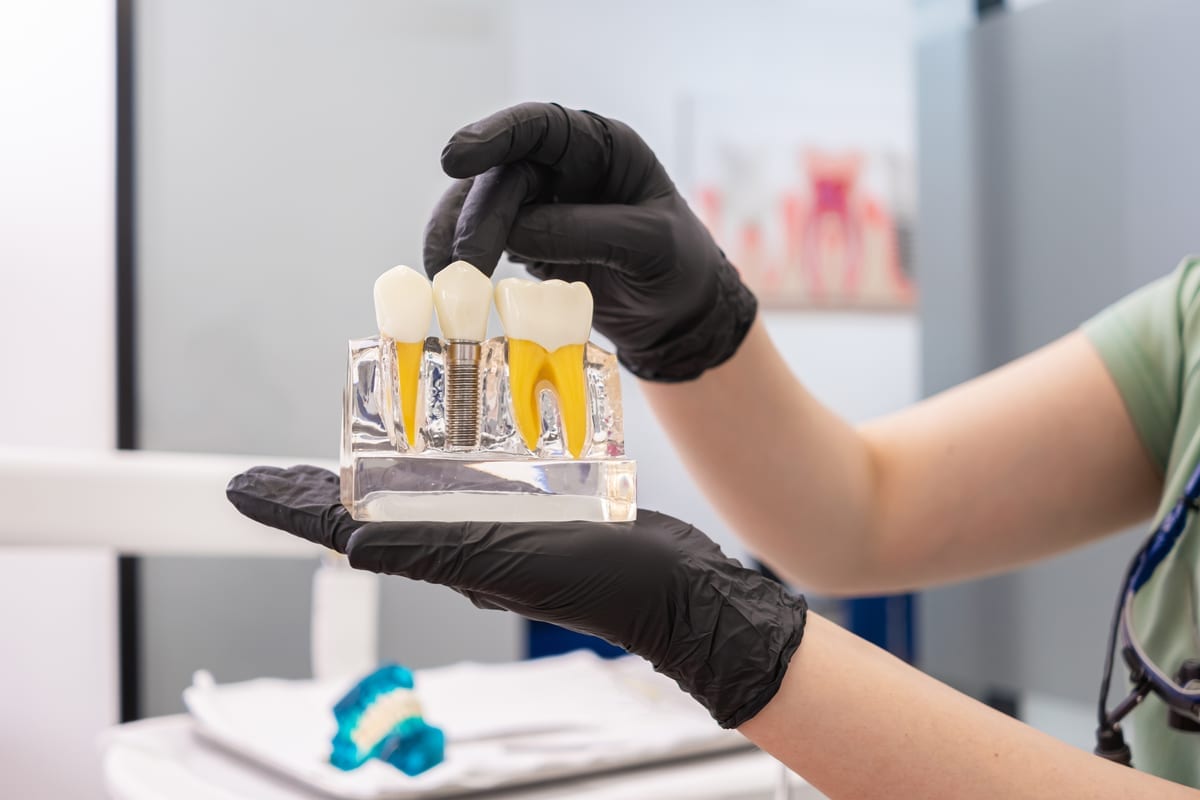
Some Glendora patients also choose to transition from a bridge to a dental implant when replacement time comes. Implants do not rely on neighboring teeth for support and can last a lifetime with proper care. Dr. Chen can discuss whether that option makes sense for your specific situation.
Conclusion
A dental bridge can serve you well for 10 to 15 years — or even longer — when you take the right steps. Understanding why your dental bridge lasts 10-15 years and how to make it longer in Glendora comes down to three things: quality placement, consistent home care, and regular professional checkups. Dr. Joseph Chen and the Glendora Dental Group team are committed to helping you protect your smile for years to come. Book Now to schedule your appointment with our team.
Frequently Asked Questions
How long does a dental bridge typically last?
Most dental bridges last between 10 and 15 years. With excellent oral hygiene and regular professional care, some bridges last 20 years or more. The lifespan depends on the material, the health of the anchor teeth, and your daily habits.
What is the best way to clean under a dental bridge?
A floss threader, water flosser, or interdental brush works best for cleaning under a dental bridge. Standard floss cannot reach beneath the pontic. Your dentist or hygienist can demonstrate the proper technique at your next visit.
Can a dental bridge fail early? What causes that?
Yes, a bridge can fail before 10 years if the abutment teeth develop decay or gum disease, if the patient grinds their teeth heavily, or if the bridge is damaged by hard foods. Consistent home care and regular checkups significantly reduce these risks.
Is a dental implant better than a bridge for long-term results?
Dental implants can last a lifetime and do not require support from neighboring teeth. However, they involve a surgical procedure and higher upfront investment. A bridge is an excellent option for many patients. Dr. Joseph Chen can help you determine which solution fits your oral health goals and anatomy.
How often should I visit the dentist if I have a dental bridge?
Patients with dental bridges should visit the dentist every six months for a cleaning and examination. Regular checkups allow Dr. Chen to monitor the bridge, the abutment teeth, and the surrounding gum tissue for any early signs of problems.