

Why Your Dentures Feel Loose: What Happens Under Your Gums


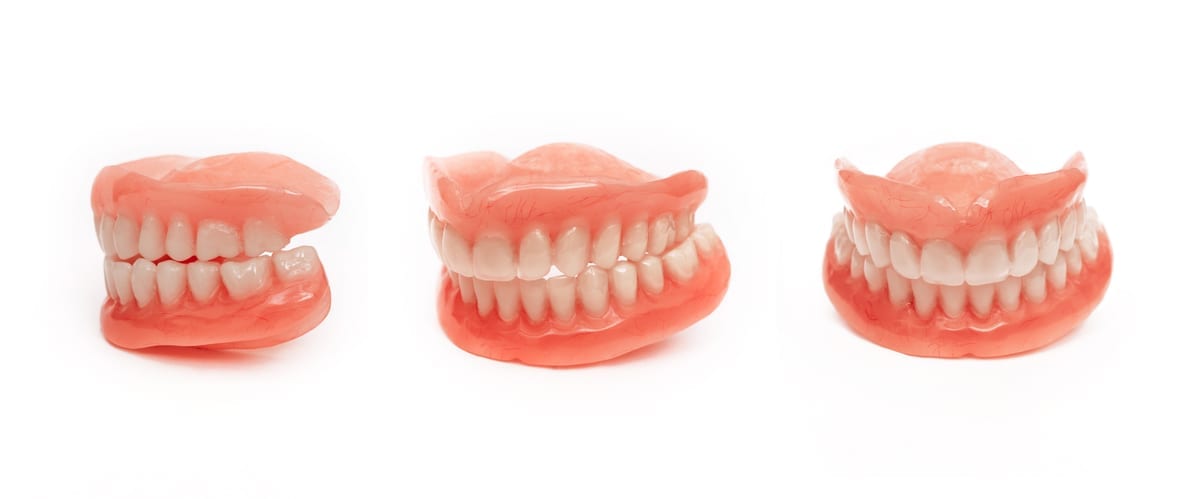
If your dentures once felt snug but now slip or slide, you are not imagining it. Many patients in Glendora ask the same question: Why your dentures feel loose, what happens under your gums Glendora — and the answer goes deeper than you might expect. The real culprit is a natural process happening silently beneath the surface of your gums. Understanding it can help you make smarter decisions about your dental health.
The Silent Process Changing the Shape of Your Jaw
When you lose a tooth, the jaw bone underneath no longer receives stimulation. Teeth roots once transmitted chewing forces into the bone. Without that pressure, the bone begins to shrink — a process called bone resorption.
Bone resorption happens gradually. Most patients lose measurable bone density within the first year after tooth loss. Over time, the ridge that once supported your teeth flattens and narrows.
Your dentures were crafted to fit the shape of your jaw on the day they were made. As that shape changes, the fit drifts further from ideal. This is why even well-made dentures become loose years later — it is not a flaw in the appliance. It is biology.
Signs Your Dentures No Longer Fit Properly
Loose dentures create more than just discomfort. They can affect your ability to eat, speak, and smile with confidence. Knowing the warning signs helps you act before bigger problems develop.
Watch for these common indicators that your dentures need attention:
- Dentures shift or click when you talk or chew
- Sore spots or irritation on your gum tissue
- Food getting trapped underneath the appliance
- Difficulty chewing certain foods you once ate easily
- A change in your facial appearance, such as a sunken look around the mouth
- Increased reliance on denture adhesive to hold things in place
If you notice any of these signs, schedule a visit with Dr. Joseph Chen at Glendora Dental Group. Early evaluation gives you more options and prevents further bone loss from poor chewing function.
Why Your Dentures Feel Loose: What Happens Under Your Gums in Glendora and Your Three Main Solutions
When dentures stop fitting well, patients in Glendora have three primary paths forward. The right choice depends on how much bone has changed and the current condition of your dentures.
Relining is the most common first step. A dentist adds new material to the inner surface of the denture. This reshapes the fitting surface to match your current gum contours. Relining is ideal when the denture base is still in good structural condition.
Rebasing goes one step further. The entire plastic base of the denture is replaced using new material, while keeping the existing teeth. This is a good option when the base has worn down significantly but the teeth are still in good shape.
Replacement becomes necessary when the denture structure is too worn or when jaw changes are too extensive for relining to correct. A new denture built to your current anatomy provides a much better fit and improved comfort.
Here is a quick comparison to help you understand each option:
- Relining: Adds material inside the existing denture — fastest, least costly, best for minor fit issues
- Rebasing: Replaces the entire base — good for moderate changes, preserves your current teeth
- Replacement: Brand new denture — best for significant bone loss or heavily worn appliances
How Often Should You Have Your Dentures Evaluated?
Many patients assume dentures are a one-time solution that lasts forever. That assumption leads to years of discomfort that could have been avoided. Dental professionals generally recommend having your dentures and jaw evaluated every one to two years.
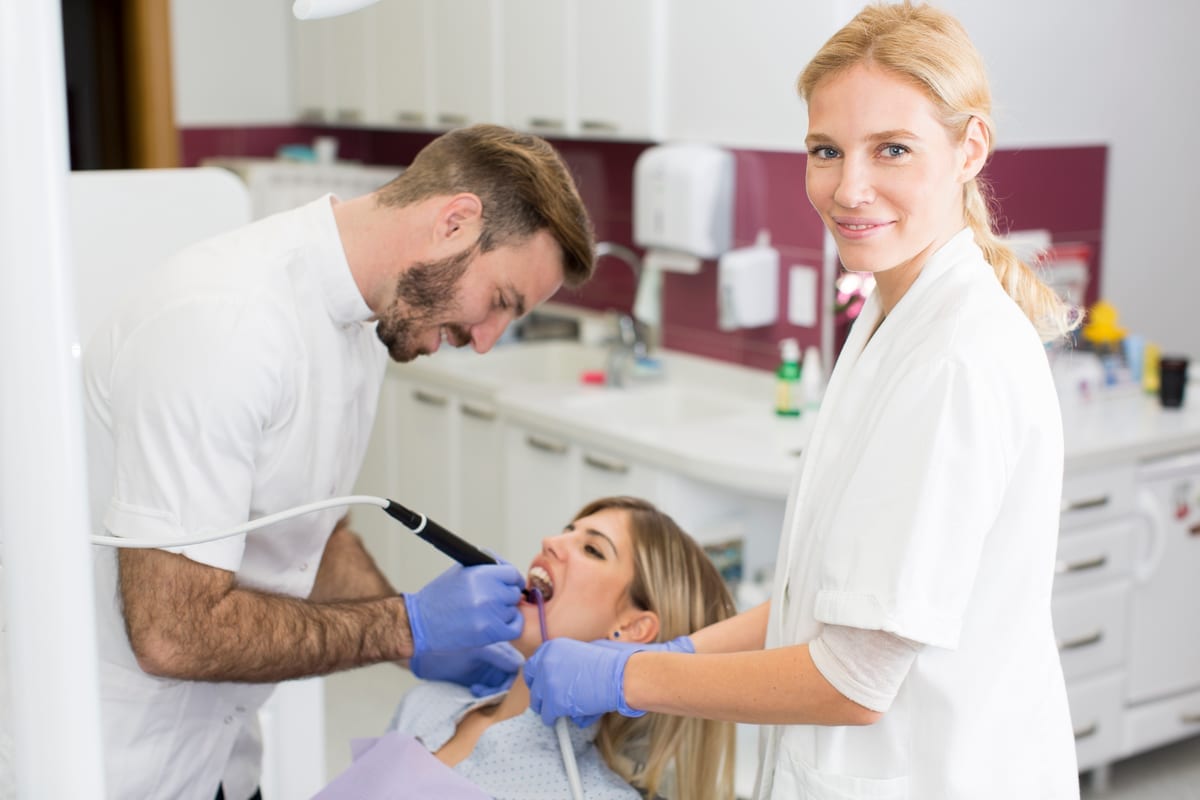
During a denture check, Dr. Chen examines the fit against your current bone and gum tissue. He also checks for cracks, worn teeth, or signs of tissue irritation. Catching changes early makes treatment simpler and more effective.
As part of your overall oral health, Family Dentistry Glendora care at Glendora Dental Group includes routine evaluations for denture wearers. These visits protect your long-term jaw health, not just your appliance.
Patients who skip these evaluations often deal with accelerated bone loss. Ill-fitting dentures create uneven pressure on the gum ridge. That uneven pressure can speed up the very resorption process causing the problem.
Dental Implants as a Long-Term Alternative
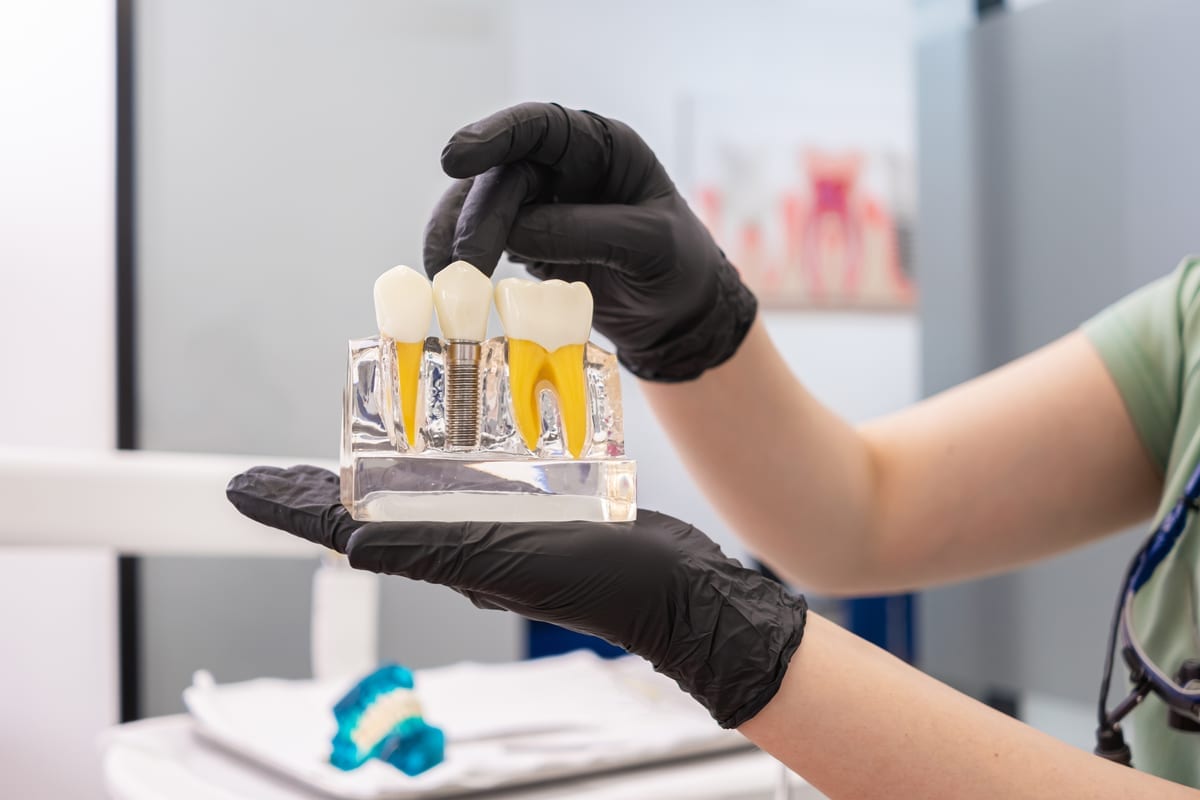
For many patients, traditional dentures are not the only option. Dental implants offer a fundamentally different approach. Implants are titanium posts placed directly into the jaw bone, mimicking the function of a natural tooth root.
Because implants stimulate the jaw bone with each bite, they slow or prevent bone resorption. This makes them a powerful long-term solution for patients concerned about ongoing jaw changes. Implant-supported dentures also eliminate the slipping and discomfort of traditional appliances.
Not every patient is an immediate candidate for implants. Bone density and overall health play a role in eligibility. If a tooth-related infection contributed to your tooth loss, addressing issues like Root Canal Therapy Glendora on remaining teeth first may be part of your overall treatment plan.
Dr. Chen can assess whether implants, implant-supported dentures, or conventional options are the best fit for your unique situation. Every patient’s jaw and health history is different.
What You Can Do Right Now
Bone resorption cannot be fully stopped, but it can be managed. The steps you take today affect how well your jaw holds up over the coming years. Staying proactive makes a meaningful difference.
Start by scheduling a denture evaluation if it has been more than a year since your last visit. Avoid using excessive adhesive as a long-term fix — it masks the problem without solving it. Eat a balanced diet that supports bone health, including adequate calcium and vitamin D. And report any soreness or changes in fit to your dentist promptly.
Patients in Glendora have access to expert care that addresses both the cosmetic and functional aspects of denture fit. Dr. Joseph Chen and the team at Glendora Dental Group approach every case with education and empathy. You deserve a solution that truly works — not just a temporary patch.
Do not let loose dentures hold you back from eating, speaking, or smiling with ease. Book Now to schedule your appointment with our team.
Frequently Asked Questions
How quickly does bone resorption happen after tooth loss?
Bone resorption begins within the first few months after a tooth is lost. Significant changes can occur within the first year, and the process continues gradually over time. This is why dentures that once fit well can become loose several years later without any obvious cause.
Can I fix loose dentures at home?
Denture adhesive can provide temporary relief, but it is not a long-term solution. Using excess adhesive to compensate for a poor fit can put uneven pressure on your gums and accelerate bone loss. A professional evaluation is the safest and most effective way to address the underlying fit problem.
How long do dentures typically last before needing replacement?
Most dentures last between five and ten years with proper care. However, the fit may need adjustment sooner due to changes in your jaw bone. Regular dental evaluations every one to two years help determine whether relining, rebasing, or full replacement is the right next step.
Are dental implants a better option than traditional dentures?
For many patients, implants or implant-supported dentures provide superior long-term results. They stimulate the jaw bone, preventing the resorption that causes traditional dentures to loosen over time. Whether implants are right for you depends on your bone density, health history, and personal goals — Dr. Chen can evaluate your specific situation during a consultation.
Does a loose denture cause any health problems?
Yes, poorly fitting dentures can contribute to gum irritation, sores, and infections. They can also make it harder to chew nutritious foods, which may impact your overall health. Additionally, the uneven pressure from a loose denture can speed up bone resorption, making future tooth replacement more difficult.