

Your Crown Just Fell Out: What to Do in the Next Hour



Your crown just fell out — and now you’re staring at it in your hand, unsure what to do next. If you’re searching for answers in Glendora, CA, you’ve come to the right place. The next hour matters more than you might think. Dr. Joseph Chen and the team at Glendora Dental Group are here to walk you through exactly what to do right now.
Why a Fallen Crown Is a Dental Emergency in Glendora
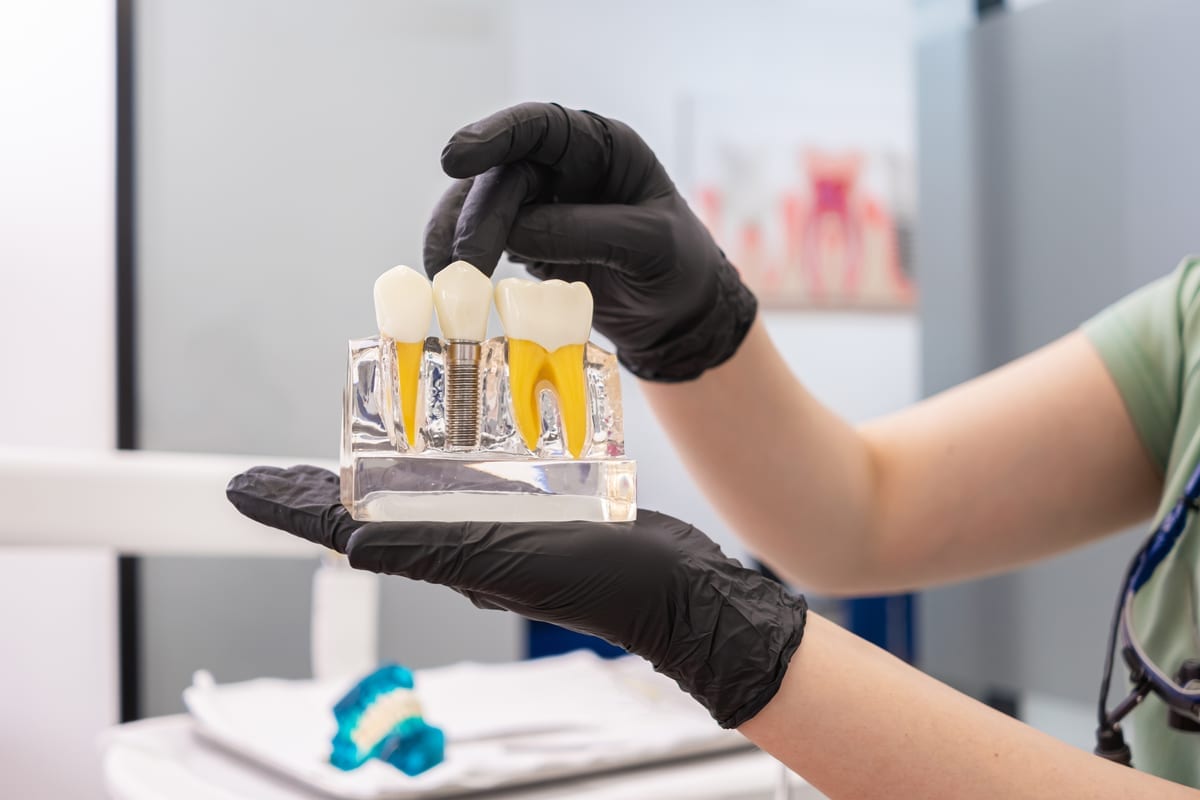
A crown doesn’t just hold a tooth together cosmetically. It protects a weakened or previously treated tooth from pressure, bacteria, and sensitivity. Once it’s off, that underlying tooth is exposed and vulnerable.
The tooth beneath a crown is often filed down significantly. That means it has very little natural enamel left to defend itself. Bacteria can enter quickly. Pain can follow just as fast.
You don’t have to panic — but you do need to act. Waiting several days without addressing a lost crown dramatically increases your risk of infection, further damage, or even tooth loss. Think of it like a broken windshield: small crack, big consequences if ignored.
Your Step-by-Step Guide for the Next Hour
The moment your crown comes out, follow these steps carefully. Acting quickly and correctly makes a real difference in what happens next at the dental office.
- Retrieve the crown carefully. Keep it safe in a clean plastic bag or small container.
- Rinse your mouth gently with warm water to remove any debris around the exposed tooth.
- Inspect the crown. Check if it’s intact or cracked. This tells Dr. Chen whether it can be re-cemented.
- Apply temporary dental cement. Products like Dentemp are available at most pharmacies in Glendora. Follow the package directions exactly.
- Avoid chewing on that side. Protect the exposed tooth until your appointment.
- Call Glendora Dental Group immediately. Explain that your crown fell out and request an emergency slot.
Temporary cement is not a fix — it’s a bridge to professional care. It can protect the exposed area and reduce sensitivity while you wait for your appointment.
What Makes It Worse — Avoid These Mistakes
Many people accidentally make the situation worse while trying to manage at home. Knowing what NOT to do is just as important as knowing what to do.
Here are the most common mistakes to avoid after your crown falls out:
- Do not glue it back yourself with super glue. Super glue is toxic and can permanently damage the tooth structure. It also makes professional re-cementation far more difficult.
- Do not leave the crown out and wait several days. The exposed tooth will shift, decay can start, and your crown may no longer fit properly.
- Do not chew hard or sticky foods. Caramel, ice, and crusty bread can crack or fracture the unprotected tooth underneath.
- Do not ignore new pain or swelling. These are signs that bacteria may already be affecting the tooth’s inner nerve tissue. This is where Root Canal Therapy Glendora patients sometimes become necessary if the infection reaches the pulp.
Acting carelessly in the first hour can turn a simple re-cement into a much more involved procedure. Stay calm, stay smart, and reach out to your dentist right away.
Why the Tooth Under Your Crown Feels So Sensitive
You may notice sharp sensitivity to air, cold, or even just breathing after your crown comes off. This is completely normal — and it’s your body telling you something important.
The prepared tooth underneath has very little enamel. It may also have exposed dentin, which contains tiny tubules leading directly to the nerve. Even a light breeze can trigger serious discomfort.
Temporary cement helps seal those tubules temporarily. A thin layer of dental wax can also provide short-term relief if your temporary cement hasn’t fully set. Sensitivity should decrease once the crown is properly re-seated.
If you’re experiencing severe pain, swelling, or fever alongside your fallen crown, treat it as a true emergency. These symptoms suggest the nerve or surrounding tissue may already be affected. Don’t delay — call the office right away.
What Happens When You Come In to See Dr. Chen
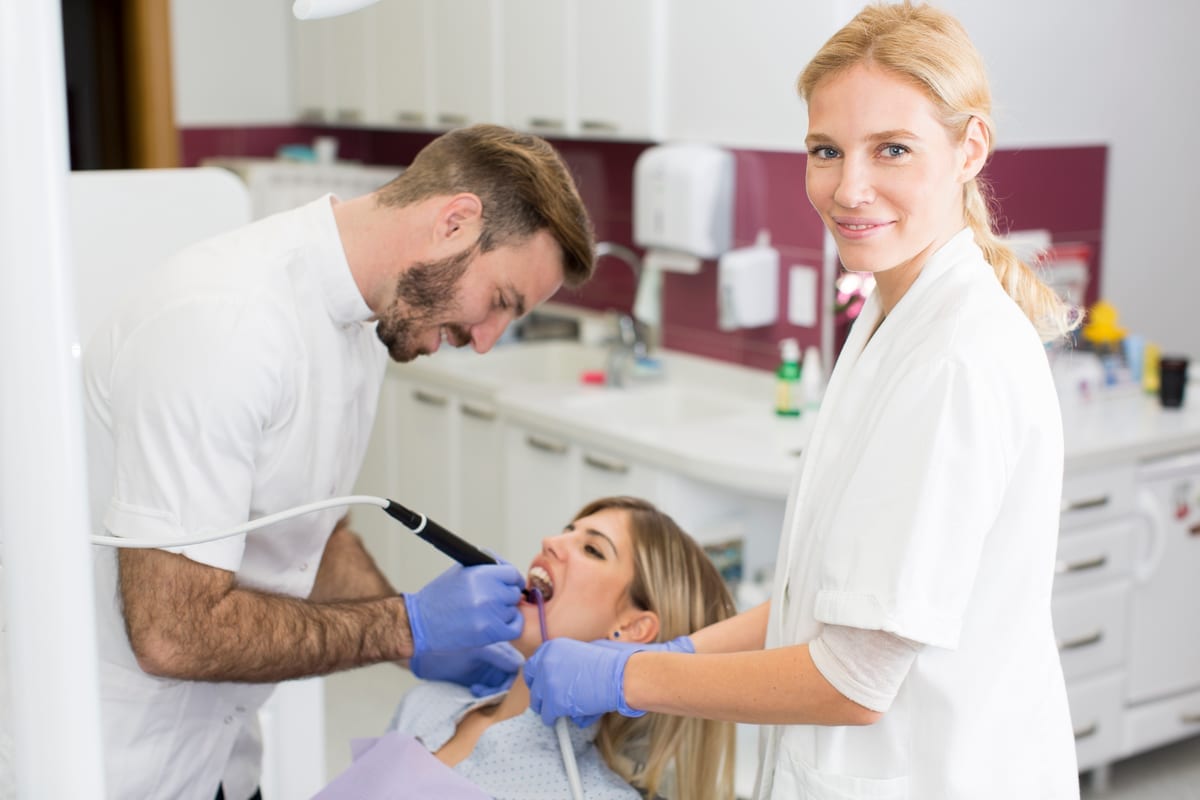
When you arrive at Glendora Dental Group, Dr. Chen will assess the situation thoroughly before making any decisions. Not every fallen crown requires the same solution.
Here’s what to typically expect during your emergency visit:
- Examination: Dr. Chen will check the exposed tooth for decay, cracks, or signs of nerve involvement.
- Crown inspection: The original crown is examined to determine if re-cementation is possible or if a new crown is needed.
- Cleaning: Both the crown interior and the tooth surface are cleaned before any bonding material is used.
- Re-cementation or next steps: If the crown fits and the tooth is healthy, it may be re-cemented the same day. If more work is needed, Dr. Chen will explain your options clearly.
As part of our Family Dentistry Glendora services, we make it a priority to see urgent cases promptly. We understand that dental emergencies don’t wait for convenient timing.
How to Prevent Your Crown From Falling Out Again
Once Dr. Chen addresses your immediate situation, it’s worth understanding why crowns fall off in the first place. Prevention is always easier than emergency treatment.
The most common causes of lost crowns include aging cement, decay forming under the crown, teeth grinding (bruxism), and biting into very hard or sticky foods. Addressing these underlying issues reduces the chance of it happening again.
If you grind your teeth at night, ask about a custom nightguard. It protects not just crowns, but all your restorations. Regular checkups at Glendora Dental Group help catch weakening cement or early decay before a crown comes off unexpectedly.
Conclusion: Don’t Wait — Act Now
If your crown just fell out in Glendora, every minute you spend waiting increases the risk to that tooth. Retrieve the crown, apply temporary cement if available, and contact Glendora Dental Group as soon as possible. Dr. Joseph Chen and our team are ready to help you quickly and comfortably. Book Now to schedule your appointment with our team.
Frequently Asked Questions
Can I eat after my crown falls out?
You can eat soft foods carefully, but avoid chewing on the side with the exposed tooth. Stay away from anything hard, crunchy, sticky, or extremely hot or cold until the crown is professionally re-seated.
What if I swallowed my crown by accident?
Don’t panic — a swallowed dental crown typically passes through your system without harm. Alert Dr. Chen at your appointment so a new crown can be fabricated. The situation is inconvenient but not medically dangerous in most cases.
How long can I leave a crown off before it becomes a serious problem?
Ideally, no longer than a day or two. The longer the tooth is exposed, the higher the risk of decay, sensitivity, shifting, and infection. Act as quickly as possible to avoid needing more extensive treatment.
Does it hurt to have a crown re-cemented?
Re-cementing a crown is usually quick and comfortable. If the tooth is sensitive, Dr. Chen may apply a desensitizing agent first. The procedure itself is typically painless and completed in a single visit when the original crown is still intact.
Will my original crown be reused or will I need a new one?
That depends on the condition of the crown and the underlying tooth. If the crown is intact and the tooth is healthy, re-cementation is often possible. If the crown is damaged or decay is found underneath, Dr. Chen will recommend the most appropriate next step.