

Dental Implants vs. Dentures vs. Bridges Citrus, CA


Losing a tooth is stressful enough. Then comes the harder question: what do you replace it with? Patients in Citrus weighing dental implants vs. dentures vs. bridges want to know which actually lasts longest — and which fits their life. The answer depends on more than just price. It depends on your bone health, your lifestyle, and your long-term goals. This guide breaks down each option so you can walk into your next appointment feeling informed and confident.
Understanding Your Three Main Options in Citrus
Before comparing longevity, it helps to understand what each restoration actually is. Each one solves the same problem — a missing tooth — but in very different ways. Knowing the basics helps you ask better questions at your consultation.
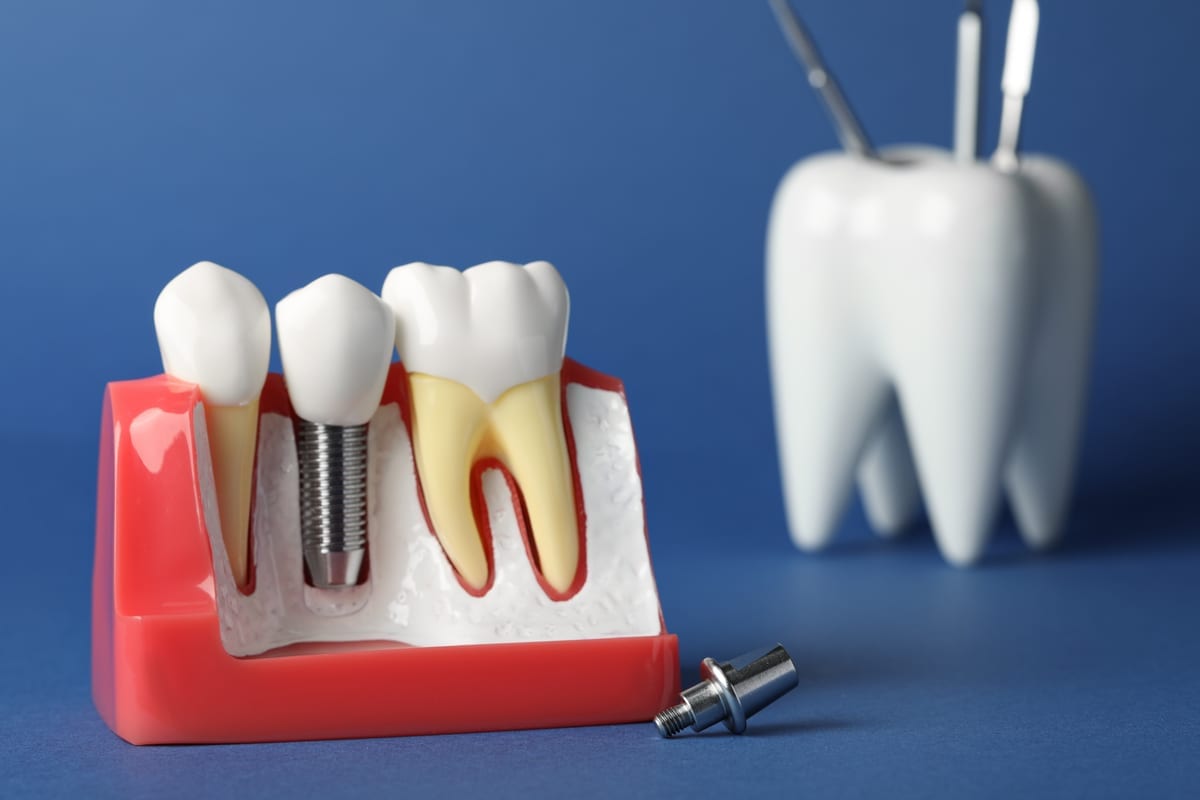
Dental implants are titanium posts placed directly into your jawbone. A crown is then attached on top. They function like natural teeth and stimulate the bone beneath them.
Dental bridges use the two teeth on either side of the gap as anchors. A false tooth is suspended between them. No surgery is required, but the anchor teeth must be filed down to support the bridge.
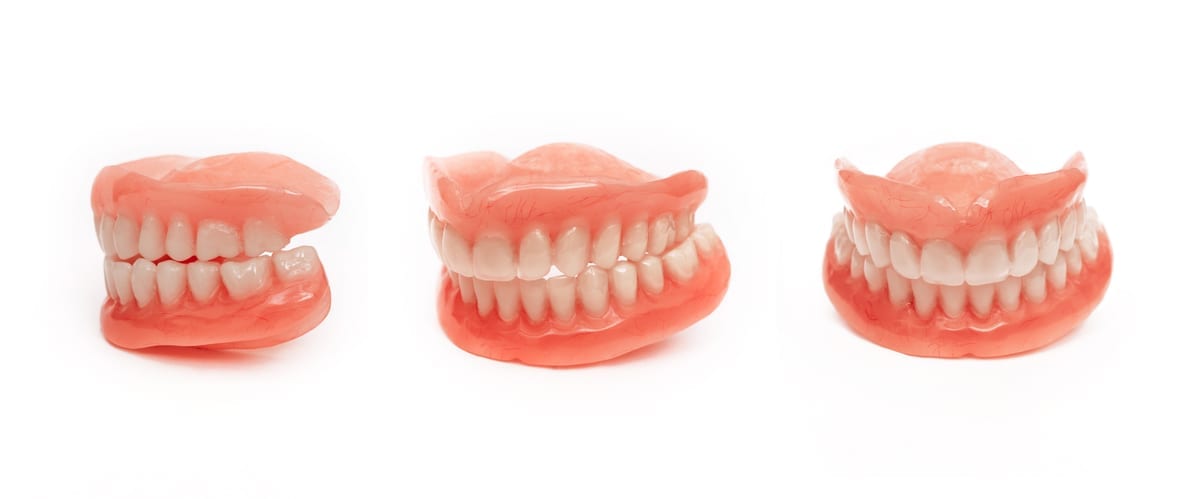
Dentures are removable appliances that replace one tooth, several teeth, or a full arch. They rest on the gums and are held in place by suction or adhesive. They require daily removal and cleaning.
All three options fall under the broader category of Restorative Dentistry, which focuses on rebuilding function and structure after tooth loss.
Dental Implants vs. Dentures vs. Bridges: Comparing Longevity
When patients in Citrus ask which option lasts longest, implants consistently come out on top. With proper care, dental implants can last 25 years or even a lifetime. The implant post itself rarely needs replacement. Only the crown on top may need attention after 10–15 years of wear.
Bridges typically last 10–15 years. Their lifespan depends heavily on oral hygiene and the health of the anchor teeth. If one anchor tooth develops decay or fails, the entire bridge may need replacement sooner.
Dentures generally last 5–8 years before needing to be relined or replaced. Your jawbone changes shape after tooth loss. Over time, dentures that once fit well can become loose and uncomfortable.
- Dental implants: 25+ years, often lifetime with proper care
- Dental bridges: 10–15 years on average
- Dentures: 5–8 years before significant adjustment or replacement is needed
Longevity is not the only factor, of course. Cost, health conditions, and personal preference all play real roles in this decision.
Which Option Suits Your Situation Best?
Not every patient is a candidate for every option. Dental implants require adequate jawbone density for the post to fuse properly. If bone loss has already occurred, a bone graft may be needed first. That adds time and cost to the process.
Bridges are a good fit if you want a non-surgical solution and your surrounding teeth are healthy. They can often be completed in just two to three dental visits. However, filing down healthy teeth to support the bridge is an irreversible step.
Dentures work well for patients who have lost most or all of their teeth. They are also a more accessible option for those who cannot undergo surgery. Modern dentures fit better and look more natural than older versions.
Here is a quick summary to help guide your thinking:
- Choose implants if: You want the most durable long-term solution and have sufficient bone
- Choose a bridge if: You prefer no surgery and have healthy teeth on both sides of the gap
- Choose dentures if: You need to replace multiple teeth or an entire arch affordably
- Ask about implant-supported dentures if: You want denture coverage with implant stability
Dr. Joseph Chen evaluates each patient individually. There is no one-size-fits-all answer here.
The Role of Cosmetic Dentistry in Tooth Replacement
Tooth replacement is not purely a functional decision. Appearance matters deeply to most patients. That is where Cosmetic Dentistry intersects with restorative care. A well-placed implant crown, bridge, or set of dentures can look completely natural when crafted properly.
At Glendora Dental Group, every restoration is designed to match your surrounding teeth in color, shape, and size. The goal is a result that looks and feels like it belongs in your mouth. You should never feel self-conscious about your smile after treatment.
It is also worth considering how tooth loss affects your face over time. Missing teeth cause the jawbone to shrink. This can lead to a sunken facial appearance, especially with long-term denture use. Implants are the only option that actively prevents this bone loss.
What to Expect During Your Consultation at Glendora Dental Group
If you are a Citrus resident exploring tooth replacement options, a thorough consultation is the best first step. Dr. Joseph Chen will review your dental and medical history. He will also take X-rays or 3D imaging to assess your bone density and jaw structure.
From there, you will discuss which options fit your health needs, timeline, and goals. You will never feel rushed into a decision. The consultation is about education first.
Here is what the process typically looks like:
- Initial exam and imaging to assess your jawbone and surrounding teeth
- Discussion of all three options with honest pros and cons for your specific case
- A personalized treatment plan based on your goals and timeline
- Step-by-step walkthrough of what the chosen procedure involves
Patients from Citrus and the surrounding area regularly visit Glendora Dental Group for this kind of thorough, transparent care.
Making the Right Long-Term Decision
When comparing dental implants vs. dentures vs. bridges in Citrus, longevity is just one piece of the puzzle. Implants win on durability. Bridges win on simplicity. Dentures win on accessibility for larger tooth loss. Each has a place depending on your circumstances.
What matters most is making a decision based on accurate, personalized information — not guesswork. The team at Glendora Dental Group is here to make sure you understand every option before committing to anything. Book Now to schedule your appointment with our team.
Frequently Asked Questions
How long do dental implants actually last compared to bridges?
Dental implants can last 25 years or a lifetime with proper oral hygiene and regular checkups. Bridges typically last 10–15 years. The implant post itself rarely fails — it is usually the crown on top that may eventually need replacing.
Are dentures a good long-term solution for tooth replacement?
Dentures are a practical solution for many patients, but they do require more ongoing maintenance than implants or bridges. They typically need relining or replacement every 5–8 years as your jaw changes shape. Implant-supported dentures offer a more stable, longer-lasting alternative for qualifying patients.
Can I get a dental implant if I have bone loss in my jaw?
Bone loss does not automatically disqualify you from getting an implant. A bone graft can rebuild the density needed to support the implant post. Dr. Joseph Chen will assess your jaw with imaging during your consultation to determine the best path forward.
Is a dental bridge a permanent solution?
A dental bridge is a fixed restoration, meaning it is not removable like dentures. However, it is not considered permanent in the same way implants are. Most bridges last 10–15 years before needing replacement, and their lifespan depends on the health of the anchor teeth and your hygiene habits.
Which tooth replacement option looks the most natural?
Dental implants most closely mimic the look and function of natural teeth. They are topped with custom-crafted crowns that match your surrounding teeth in size, shape, and color. High-quality bridges and modern dentures also look very natural when properly designed and fitted by an experienced dentist.