

Your Temporary Crown: What to Eat, Clean, and Expect


Getting a dental crown is a common procedure here in Glendora. But the days or weeks between your first and second appointment can feel uncertain. Your temporary crown: what to eat, clean, and expect in Glendora is something Dr. Joseph Chen at Glendora Dental Group helps patients navigate every day. Understanding this phase makes the whole experience much smoother.
Temporary crowns protect your prepared tooth while the permanent crown is being crafted. They are not as strong as your final restoration. Knowing how to care for one properly reduces the risk of problems before your next visit.
What Is a Temporary Crown and Why Do You Have One?
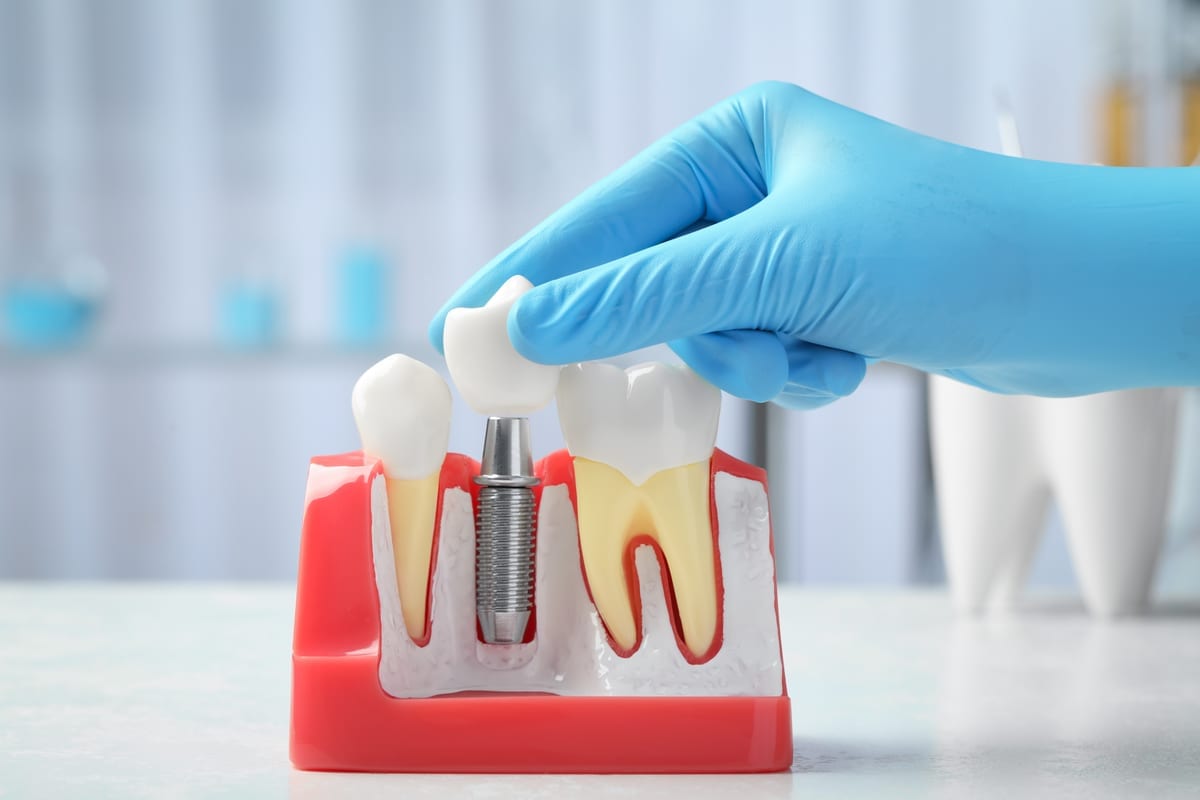
When Dr. Chen prepares your tooth for a crown, he removes a layer of enamel. This exposes the tooth and makes it sensitive. A temporary crown covers that prepared tooth until your permanent crown arrives from the dental lab.
Temporary crowns are usually made from acrylic or composite resin. They are held in place with a softer, temporary cement. That design is intentional — it makes removal easy at your next appointment.
Most patients wear a temporary crown for one to three weeks. During that window, the lab crafts your custom permanent crown. Your temporary is doing an important job, even if it feels different from your natural tooth.
What to Eat — and Avoid — With a Temporary Crown in Glendora
Your diet is one of the most important factors during this phase. The temporary cement is not as strong as permanent bonding. Certain foods can dislodge or damage your temporary crown.
Foods to avoid:
- Sticky or chewy foods like caramel, gummy candies, or taffy
- Hard foods like nuts, hard candies, ice, or crusty bread
- Tough meats that require heavy chewing
- Popcorn, which can wedge under the crown
- Very hot or very cold foods that increase sensitivity
Safe foods to enjoy:
- Soft cooked vegetables and mashed potatoes
- Eggs, yogurt, and soft cheeses
- Pasta and rice dishes
- Smoothies and protein shakes
- Soft fish and tender chicken
Try to chew on the opposite side of your mouth when possible. This simple habit takes pressure off the temporary crown. Small adjustments to your routine make a big difference during this short waiting period.
How to Clean Around Your Temporary Crown
Keeping the area clean is essential, but you need to adjust your technique slightly. Aggressive brushing or flossing can loosen a temporary crown. Gentle care protects both the crown and the gum tissue beneath it.
Brush gently around the crown using a soft-bristled toothbrush. Use a mild, non-abrasive toothpaste. Avoid electric toothbrushes on the crown area if they feel too aggressive.
Flossing requires one important change. Instead of snapping the floss up and out, slide it gently sideways. Pull the floss out from the side rather than lifting it upward. That motion prevents pulling the temporary crown off its base.
Antibacterial mouthwash can be a helpful addition to your routine. It reduces bacteria around the gumline without putting mechanical stress on the crown. Ask Dr. Chen if you have questions about which rinse is right for you.
What to Do If Your Temporary Crown Falls Off
A temporary crown coming off is more common than most patients expect. It does not mean something went wrong. The soft cement is designed to release, but it can occasionally happen earlier than planned.
Stay calm if it happens. Rinse the crown gently with warm water. Try placing it back over the tooth using a small amount of over-the-counter dental cement, available at most pharmacies in the Glendora area.
Never leave the prepared tooth exposed for long. The underlying tooth is sensitive and vulnerable. Contact Glendora Dental Group as soon as possible so Dr. Chen’s team can re-cement or replace your temporary.
Avoid using super glue or other household adhesives. These are not safe for use in the mouth. Dental cement is inexpensive, widely available, and designed specifically for this situation.
What to Expect During the Temporary Crown Phase
Some sensitivity is completely normal during this period. The prepared tooth may react to temperature or pressure. This usually decreases as you get closer to your permanent crown placement.
You may also notice the temporary does not feel exactly like your natural tooth. It might feel slightly bulky or sit differently against your bite. Minor bite adjustments can be made at your appointment if the discomfort is significant.
If you experience sharp pain, swelling, or notice the crown looks cracked, contact our team right away. These symptoms may indicate the tooth needs additional attention. In some cases, issues beneath a crown can require Root Canal Therapy Glendora patients trust Dr. Chen to perform with care.
Most patients find the temporary phase manageable with a few simple precautions. The wait is typically short. Keeping your follow-up appointment on schedule ensures a smooth transition to your permanent crown.
Caring for Your Smile Beyond the Crown
Your temporary crown is just one part of your overall dental health journey. Glendora Dental Group offers comprehensive care for every stage of your smile. Whether you need preventive maintenance or restorative work, our team is here for your whole family.
For ongoing cleanings, checkups, and preventive care, Family Dentistry Glendora patients count on is available right here at our practice. Dr. Chen and his team take a whole-health approach to every patient visit. Building a long-term relationship with your dentist helps catch problems early.
If you have questions about your temporary crown or your upcoming permanent crown placement, do not wait. Reach out to our friendly team for guidance. We are always happy to walk you through what to expect at every step. Book Now to schedule your appointment with our team.
Frequently Asked Questions
How long will I have a temporary crown?
Most patients wear a temporary crown for one to three weeks. The exact timeline depends on how quickly your dental lab completes your permanent crown. Dr. Chen will give you a more specific estimate at your appointment.
Can I eat normally with a temporary crown?
You should eat soft foods and avoid anything sticky, hard, or chewy. Chewing on the opposite side of your mouth also helps protect the temporary. These small changes prevent the crown from loosening or breaking before your next visit.
Is it normal for a temporary crown to feel different?
Yes, temporary crowns often feel slightly bulky or different from your natural tooth. Minor sensitivity to temperature or pressure is also common. These sensations typically improve once your permanent crown is placed.
What should I do if my temporary crown falls off at night?
Keep the crown safe and gently try to reposition it using over-the-counter dental cement. Call Glendora Dental Group as soon as the office opens. Avoid leaving the prepared tooth exposed for an extended period.
Will getting my permanent crown hurt?
The permanent crown placement appointment is typically straightforward. Dr. Chen removes the temporary and bonds the permanent crown in place. Local anesthetic is available if needed to keep you comfortable throughout the visit.