

Why Your Teeth Won’t Whiten: Stains That Need Different Solutions



You have tried whitening strips, whitening toothpaste, and even a professional bleaching treatment. Yet your smile still looks dull or discolored. If this sounds familiar, you are not alone. Many patients in Glendora ask Dr. Joseph Chen the same question: why won’t my teeth whiten? The answer often comes down to the type of stain — and understanding why your teeth won’t whiten means exploring stains that need different solutions in Glendora.
Extrinsic Stains: The Surface Stains Whitening Can Usually Fix
Extrinsic stains live on the outer layer of your tooth enamel. They form from things you eat, drink, or smoke over time. Common culprits include coffee, tea, red wine, and tobacco.
These stains respond well to teeth whitening treatments because the bleaching agents can reach them easily. Professional whitening at our Glendora office uses stronger concentrations than store-bought kits. That means faster, more even, and longer-lasting results.
Common causes of extrinsic staining include:
- Daily coffee or tea consumption
- Red wine and dark-colored juices
- Tobacco use — both smoking and chewing
- Certain sauces like soy sauce or tomato-based foods
- Poor brushing habits that allow plaque to build up
If your dentist identifies your stains as extrinsic, professional teeth whitening is likely a great first step. Routine Family Dentistry Glendora checkups and cleanings also help prevent surface stains from getting worse.
Why Your Teeth Won’t Whiten: Understanding Intrinsic Stains in Glendora
Intrinsic stains are a completely different story. They form inside the tooth, within the dentin layer beneath the enamel. Bleaching agents simply cannot reach that deep. No matter how many whitening treatments you try, these stains will not budge.
Intrinsic staining happens for several reasons. Some patients develop it from antibiotic use during childhood. Others experience it from excessive fluoride exposure, a condition called fluorosis. Trauma to a tooth can also cause internal discoloration over time.
Common causes of intrinsic staining include:
- Tetracycline or other antibiotic use during tooth development
- Dental fluorosis from excessive fluoride as a child
- Tooth trauma or injury that affects the pulp
- Aging — dentin naturally darkens as you get older
- Certain medical conditions or genetic factors
It is important to note that a darkened tooth after a dental injury may signal pulp damage. In those cases, a Root Canal Therapy Glendora evaluation may be necessary before any cosmetic treatment begins.
Cosmetic Solutions That Work When Whitening Does Not
When whitening fails, cosmetic dentistry offers effective alternatives. Dr. Joseph Chen works with patients in Glendora to find the right solution based on the type and severity of staining. The goal is always a natural-looking, lasting result.
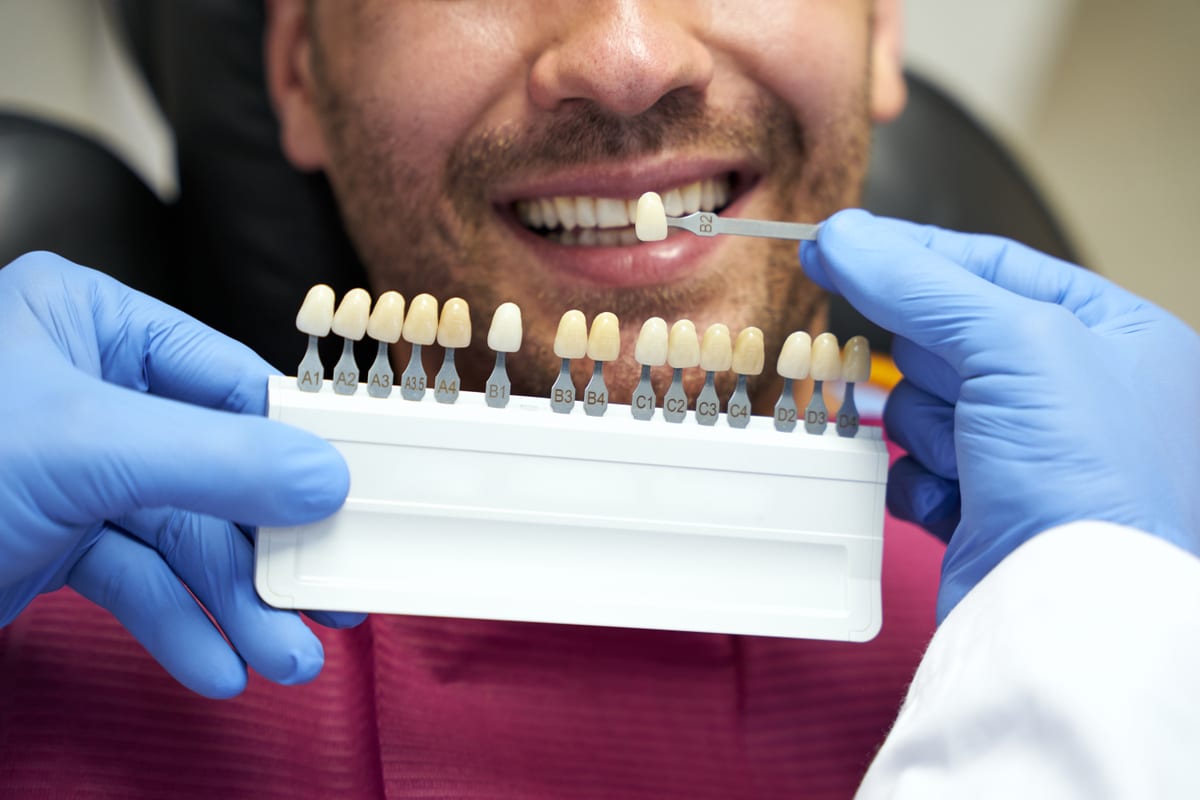
Dental veneers are one of the most popular options for intrinsic stains. These thin porcelain shells bond directly to the front of your teeth. They completely cover discoloration and reshape your smile at the same time.
Dental bonding is another option, especially for smaller areas of staining. A tooth-colored resin is applied and sculpted to blend seamlessly with your surrounding teeth. It is a more affordable solution than veneers and requires less enamel removal.
Dental crowns may be recommended when a tooth is both discolored and structurally compromised. A crown covers the entire visible tooth. It restores appearance and function in one step.
How Dr. Chen Diagnoses Stain Type Before Recommending Treatment
Not every discolored tooth needs the same solution. That is why diagnosis comes before treatment at Glendora Dental Group. Dr. Chen takes a thorough look at your dental and medical history, along with a clinical exam.
He considers when the staining started, whether it affects one tooth or many, and how deeply discolored the teeth appear. X-rays and visual inspection together paint a clear picture. This approach prevents wasted time and money on whitening treatments that simply will not work for your situation.
Sometimes what looks like a stain is actually something else. Decalcification, decay, or changes in tooth structure can mimic discoloration. Getting the right diagnosis first is what makes all the difference in your treatment outcome.
Patients across Glendora trust Dr. Chen because he explains every option clearly. You will never feel pressured into a treatment that does not fit your needs or goals. Education is at the center of every consultation at our practice.
Choosing the Right Solution for Your Smile in Glendora
Once Dr. Chen identifies your stain type, he will walk you through your options in plain language. Some patients need just one treatment. Others benefit from combining approaches — for example, whitening the surrounding teeth and then placing veneers on the most affected ones.
Invisalign or other alignment treatments may also be recommended alongside cosmetic work. Straight teeth not only look better — they are also easier to clean and keep stain-free long term. A healthy bite and a bright smile often go hand in hand.
The important takeaway is this: discoloration does not have to be permanent. Modern cosmetic dentistry provides solutions for nearly every type of stain, whether it sits on the surface or deep within the tooth. You just need the right diagnosis first.
Frequently Asked Questions
Why do whitening strips work for some people but not others?
Whitening strips are designed to treat extrinsic stains on the enamel surface. They are not effective against intrinsic stains, which form inside the dentin. If your discoloration is internal — caused by antibiotics, trauma, or aging — strips will not produce noticeable results no matter how often you use them.
Can a single dark tooth be whitened?
A single dark tooth is often a sign of intrinsic discoloration or internal damage, especially if it followed an injury. Whitening treatments are unlikely to help in these cases. Dr. Chen may recommend a veneer, crown, or a root canal evaluation depending on the cause of the darkening.
Are veneers permanent?
Veneers are long-lasting but not technically permanent. Most porcelain veneers last 10 to 15 years with good care before they need replacement. Because a small amount of enamel is removed during placement, the tooth will always need a veneer or crown going forward.
Is dental bonding as effective as veneers for staining?
Dental bonding is a great option for mild to moderate intrinsic staining on smaller areas. It is less durable than porcelain veneers and may stain over time. Veneers tend to offer a more stain-resistant and longer-lasting result for significant discoloration.
How do I know which treatment is right for me?
The only way to know for certain is through a professional evaluation. Dr. Joseph Chen at Glendora Dental Group will examine your teeth, review your history, and recommend the most effective treatment for your specific type of staining. Book Now to schedule your appointment with our team.