

Is Your Smile a Good Fit for Invisalign or Traditional Braces


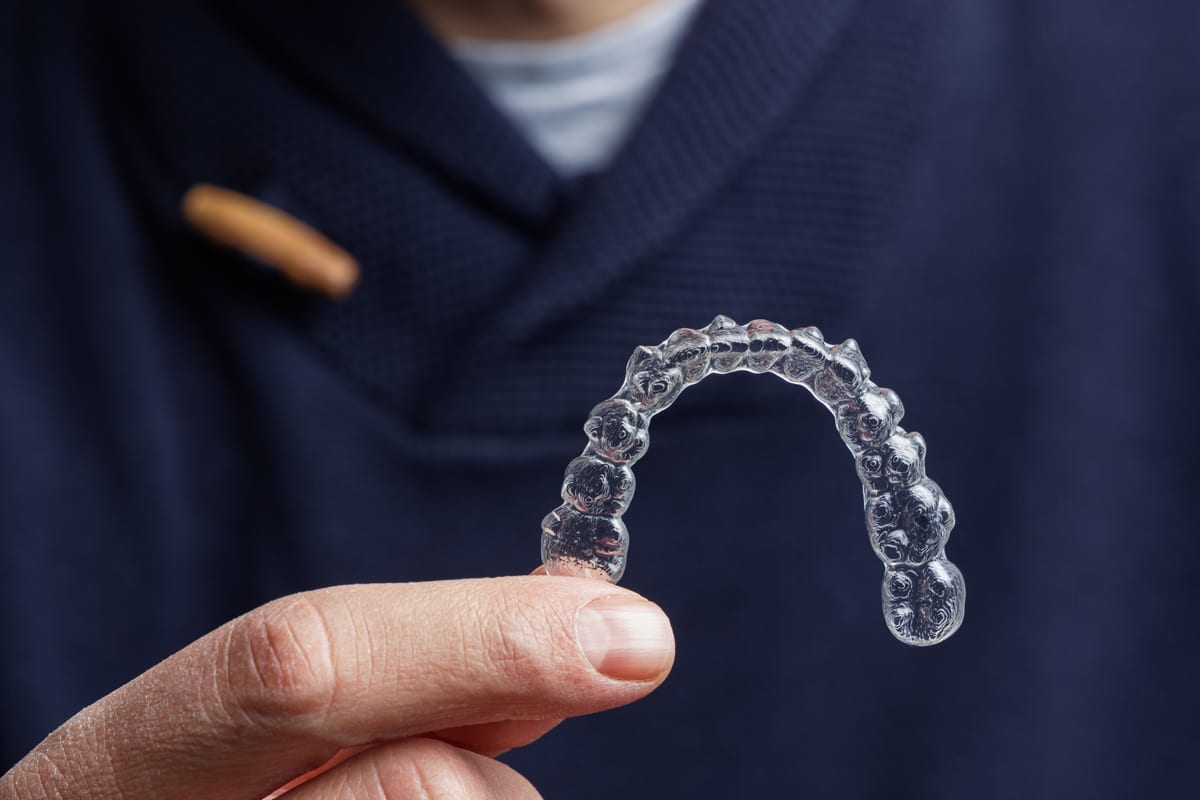
Thinking about straightening your teeth? You are probably asking whether your smile is a good fit for Invisalign or traditional braces in Glendora. It is one of the most common questions Dr. Joseph Chen hears at Glendora Dental Group. The honest answer is that the best choice depends on your specific bite, alignment issues, and lifestyle. This article will walk you through exactly what each option can and cannot fix.
What Invisalign Can Effectively Treat in Glendora Patients
Invisalign uses a series of clear, removable aligners to shift teeth gradually. It works exceptionally well for mild to moderate alignment concerns. Many Glendora patients are excellent candidates based on their specific dental needs.
Invisalign performs best for the following conditions:
- Mild to moderate crowding — teeth that overlap slightly or are slightly crooked
- Spacing gaps — small to moderate spaces between teeth
- Mild overbite — where upper teeth extend too far over lower teeth
- Mild underbite — where lower teeth sit in front of upper teeth
- Crossbite — where upper and lower teeth do not align correctly
- Open bite — where upper and lower front teeth do not meet when biting
Technology has improved significantly over the years. Modern Invisalign systems can now handle cases that were once only treatable with braces. However, complexity still matters when making this decision.
When Traditional Braces Are the Better Choice
Traditional braces use metal brackets and wires bonded directly to the teeth. This gives orthodontists and dentists precise control over tooth movement. For more complex cases, that level of control is essential.
Consider traditional braces when you have any of the following situations:
- Severe crowding — teeth are significantly overlapping or rotated
- Severe overbite or underbite — significant jaw misalignment is present
- Complex bite corrections — multiple issues occurring at the same time
- Significant tooth rotation — individual teeth need to be turned more than 20 degrees
- Vertical tooth movement — teeth need to be raised or lowered considerably
Braces do not rely on patient compliance to stay in place. They work around the clock without needing to be removed and replaced. For teens especially, this reliability often makes braces the smarter option.
Dr. Chen also works closely with patients who have Family Dentistry Glendora needs across all age groups. Coordinating orthodontic care with general dental health leads to better long-term outcomes for the whole family.
Understanding Crowding, Spacing, and Bite Issues as a Candidate
Candidacy depends heavily on the type and severity of your alignment problem. It helps to understand exactly what each term means before your consultation.
Crowding happens when there is not enough space for all your teeth. Mild crowding is very treatable with Invisalign. Severe crowding may require extractions combined with braces.
Spacing refers to gaps between teeth. Small gaps close predictably with clear aligners. Larger gaps may need additional dental work like Root Canal Therapy Glendora patients sometimes require before orthodontic treatment can begin safely.
Overbite and underbite involve how your upper and lower jaws relate to each other. Mild versions respond well to Invisalign. More severe bite discrepancies require braces, and sometimes jaw surgery is discussed in extreme cases.
An accurate diagnosis is the only way to know for certain. A thorough exam with digital X-rays will reveal what is happening beneath the surface of your smile.
Lifestyle Factors That Influence Your Decision in Glendora
Beyond clinical factors, your daily lifestyle also plays a role in this decision. Both options have real advantages depending on how you live.
Invisalign offers several lifestyle benefits worth considering:
- Aligners are virtually invisible when worn
- You can remove them for meals and special occasions
- Oral hygiene is easier since you brush and floss normally
- There are no dietary restrictions like with braces
- Fewer emergency appointments are needed for broken brackets
Traditional braces, on the other hand, have their own advantages. They require zero compliance — you cannot forget to wear them. They also tend to cost less upfront in many straightforward cases.
Patients who struggle with remembering to wear their aligners for 20 to 22 hours daily often do better with braces. Consistency is critical with Invisalign. Missing hours each day will delay your results significantly.
Adults and working professionals in Glendora often prefer the discreet look of clear aligners. That said, cosmetic preference alone should never override clinical suitability. Dr. Chen will help you weigh both sides together.
What to Expect During Your Invisalign or Braces Consultation
Your first step is a comprehensive evaluation with Dr. Chen at Glendora Dental Group. This visit typically includes a full oral exam, digital X-rays, and photos of your smile. All of this information shapes your treatment recommendation.
Dr. Chen will explain exactly what your teeth need. He will outline which option will achieve your goals most efficiently. You will also receive a realistic treatment timeline so you know what to expect.
If Invisalign is right for you, digital scans will map out every stage of your treatment. You can even preview a simulation of your final results before you commit. This technology helps patients feel confident and informed from the very beginning.
Making the Right Choice for Your Smile
Deciding between Invisalign and traditional braces is a clinical decision, not just a cosmetic one. The right answer depends on your bite complexity, your compliance habits, and your personal goals. Dr. Joseph Chen at Glendora Dental Group takes a thorough, patient-centered approach to every evaluation.
Glendora patients deserve straightforward guidance without pressure. Whether you need clear aligners or traditional brackets, the goal is the same — a healthier, straighter, more confident smile. Book Now to schedule your appointment with our team.
Frequently Asked Questions
Is Invisalign as effective as traditional braces for most patients?
For mild to moderate alignment issues, Invisalign delivers results comparable to braces. However, severe crowding, significant bite problems, or complex rotations often respond better to traditional braces. Dr. Chen will evaluate your specific case and recommend the most effective option.
How do I know if my bite issue qualifies for Invisalign treatment?
The only reliable way to determine candidacy is through a clinical examination. Dr. Chen uses X-rays and digital scans to assess the severity of your crowding, spacing, overbite, or underbite. Some moderate cases that once required braces can now be treated successfully with advanced Invisalign technology.
Can teenagers use Invisalign, or is it only for adults?
Invisalign offers a Teen version designed specifically for younger patients. It includes compliance indicators and extra aligners for replacements. However, braces are often recommended for teens with more complex bite issues or those who may struggle with consistent aligner wear.
How long does Invisalign treatment typically take in Glendora?
Treatment length varies based on the complexity of your case. Mild corrections may take as little as six months. More comprehensive treatment plans typically range from 12 to 18 months. Dr. Chen will provide a personalized timeline during your initial consultation at Glendora Dental Group.
What happens if I do not wear my Invisalign aligners enough each day?
Invisalign requires 20 to 22 hours of daily wear to move teeth on schedule. Wearing them less slows progress and can extend your treatment significantly. If compliance is a concern for you, Dr. Chen may recommend traditional braces as a more reliable alternative.