

Custom Night Guards vs Store-Bought: Which Actually Works for TMJ



If you wake up with jaw pain, headaches, or sore teeth, you may have TMJ disorder or bruxism. Many Glendora patients ask about night guards as a solution. But when comparing custom night guards vs store-bought options for TMJ in Glendora, the differences matter more than most people realize. Choosing the wrong option can actually make your symptoms worse.
What Is a Night Guard and How Does It Work?
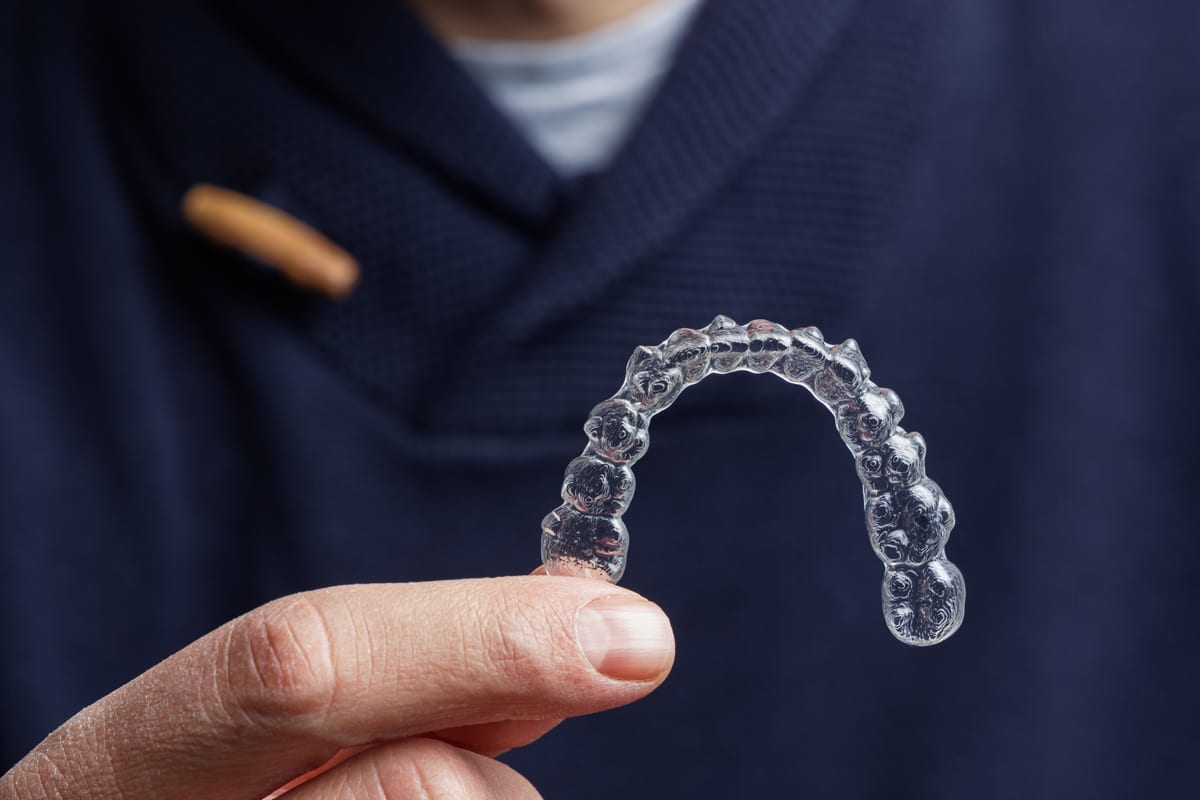
A night guard is a removable oral appliance worn during sleep. It creates a protective barrier between your upper and lower teeth. This barrier absorbs the grinding and clenching forces that damage teeth and strain jaw joints.
TMJ disorder affects the temporomandibular joint connecting your jaw to your skull. Grinding and clenching put enormous pressure on this joint. Over time, that pressure causes pain, clicking, and even limited jaw movement. A night guard helps reduce that pressure significantly.
Night guards do not cure TMJ disorder. However, they protect your teeth and relieve muscle tension while you sleep. Many patients notice reduced morning soreness within the first few weeks of consistent use.
Custom Night Guards vs Store-Bought: The Key Differences
Store-bought night guards are available at most pharmacies. They come in two main styles: one-size-fits-all and boil-and-bite. Both offer some level of protection, but neither matches the precision of a professionally made appliance.
Custom night guards are made from a digital or physical impression of your exact teeth. Dr. Joseph Chen takes this impression at our Glendora office. A dental lab then fabricates your guard to fit perfectly.
Here is a direct comparison of the two options:
- Fit: Custom guards fit precisely; store-bought guards are loose or bulky
- Material: Custom guards use dental-grade acrylic; store-bought use softer, less durable plastic
- Comfort: Custom guards are easier to wear all night; store-bought often cause discomfort
- Longevity: Custom guards last 3–5 years with care; store-bought may last only months
- Effectiveness: Custom guards are calibrated for your bite; store-bought may shift your jaw incorrectly
- Cost over time: Custom guards cost more upfront but save money long-term
A poorly fitting store-bought guard can alter your bite. This may actually worsen TMJ symptoms rather than relieve them. For mild, occasional grinding, a store-bought guard may offer temporary relief. For consistent TMJ issues, a custom solution is the safer choice.
Why Custom Night Guards Are Better for TMJ in Glendora
TMJ disorder varies widely between patients. Some people clench hard on one side. Others grind their front teeth or have uneven bite pressure. A custom guard accounts for these individual differences.
Dr. Joseph Chen evaluates your jaw alignment before recommending a night guard. This ensures the appliance supports your bite correctly. Incorrect jaw positioning during sleep can inflame the TMJ joint further.
Custom guards are also made from harder, more durable materials. They resist wear better and maintain their shape longer. Store-bought versions compress and deform over time, reducing their protective value.
Patients who receive Family Dentistry Glendora services at our practice often combine night guard therapy with regular check-ups. This allows Dr. Chen to monitor jaw health and adjust treatment as needed. Comprehensive dental care produces the best long-term outcomes for TMJ patients.
What to Expect When Getting a Custom Night Guard at Glendora Dental Group
Getting a custom night guard is a straightforward process. Here is what you can expect during your visit:
- Consultation: Dr. Chen reviews your symptoms and examines your jaw and teeth
- Impressions: We take precise impressions or digital scans of your teeth
- Lab fabrication: A dental lab creates your guard to exact specifications
- Fitting appointment: You return to try on the guard and make any adjustments
- Follow-up: Dr. Chen checks in after a few weeks to assess comfort and effectiveness
The entire process typically takes two to three appointments. Most patients feel comfortable wearing their guard within the first week. Any initial bulk or awareness usually fades quickly as you adjust.
It is important to clean your night guard daily. Rinse it with cool water each morning. Use a soft toothbrush to gently scrub the surface. Avoid hot water, as heat can warp the material.
When TMJ Needs More Than a Night Guard
A night guard is an excellent first-line treatment for many TMJ patients. However, some cases require additional care. Dr. Chen will help you understand when further treatment is necessary.
Signs that your TMJ may need more comprehensive treatment include severe jaw locking, persistent facial pain, or difficulty chewing. In some cases, the underlying cause of tooth pain may be unrelated to grinding. For example, some patients have deep infections that mimic TMJ discomfort and may need Root Canal Therapy Glendora instead.
Stress management and physical therapy can also support TMJ recovery. Avoiding hard or chewy foods reduces strain on the joint. Dr. Chen may also recommend specific jaw exercises to improve mobility and reduce inflammation.
Regular dental visits allow our team to monitor your progress. We can identify any changes to your bite or teeth that suggest grinding is continuing. Early intervention always produces better outcomes than waiting.
Frequently Asked Questions
How do I know if I need a night guard for TMJ?
Common signs include waking up with jaw soreness, headaches, or teeth sensitivity. Your dentist may also notice worn enamel or flattened tooth surfaces during a routine exam. If you experience these symptoms, schedule an evaluation with Dr. Joseph Chen at Glendora Dental Group.
Can I just use a store-bought night guard to save money?
Store-bought guards can provide short-term relief for mild grinding. However, they are not designed for your specific bite and may worsen TMJ symptoms over time. A custom guard is a better investment for anyone with ongoing jaw pain or diagnosed TMJ disorder.
How long does a custom night guard last?
With proper care, a custom night guard typically lasts three to five years. The lifespan depends on the severity of your grinding and how well you maintain the appliance. Dr. Chen will examine your guard at regular check-ups and let you know when it needs replacing.
Is wearing a night guard uncomfortable?
Most patients experience minor adjustment during the first few nights. Custom guards are far more comfortable than store-bought alternatives because they fit your teeth precisely. The discomfort usually fades within one to two weeks of consistent use.
Does a night guard fix TMJ disorder permanently?
A night guard manages TMJ symptoms effectively but does not eliminate the underlying disorder. It protects your teeth and reduces muscle strain while you work on other contributing factors. Combined with stress management and follow-up care, many patients achieve lasting relief.
Living with TMJ pain in Glendora does not have to be your normal. Dr. Joseph Chen and the team at Glendora Dental Group are here to help you find lasting relief with the right solution for your specific needs. Book Now to schedule your appointment with our team.