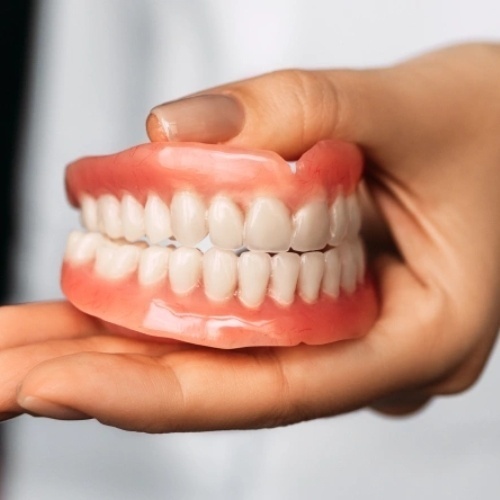


How Long Do Dentures Last: Dr. Joseph Chen Explained


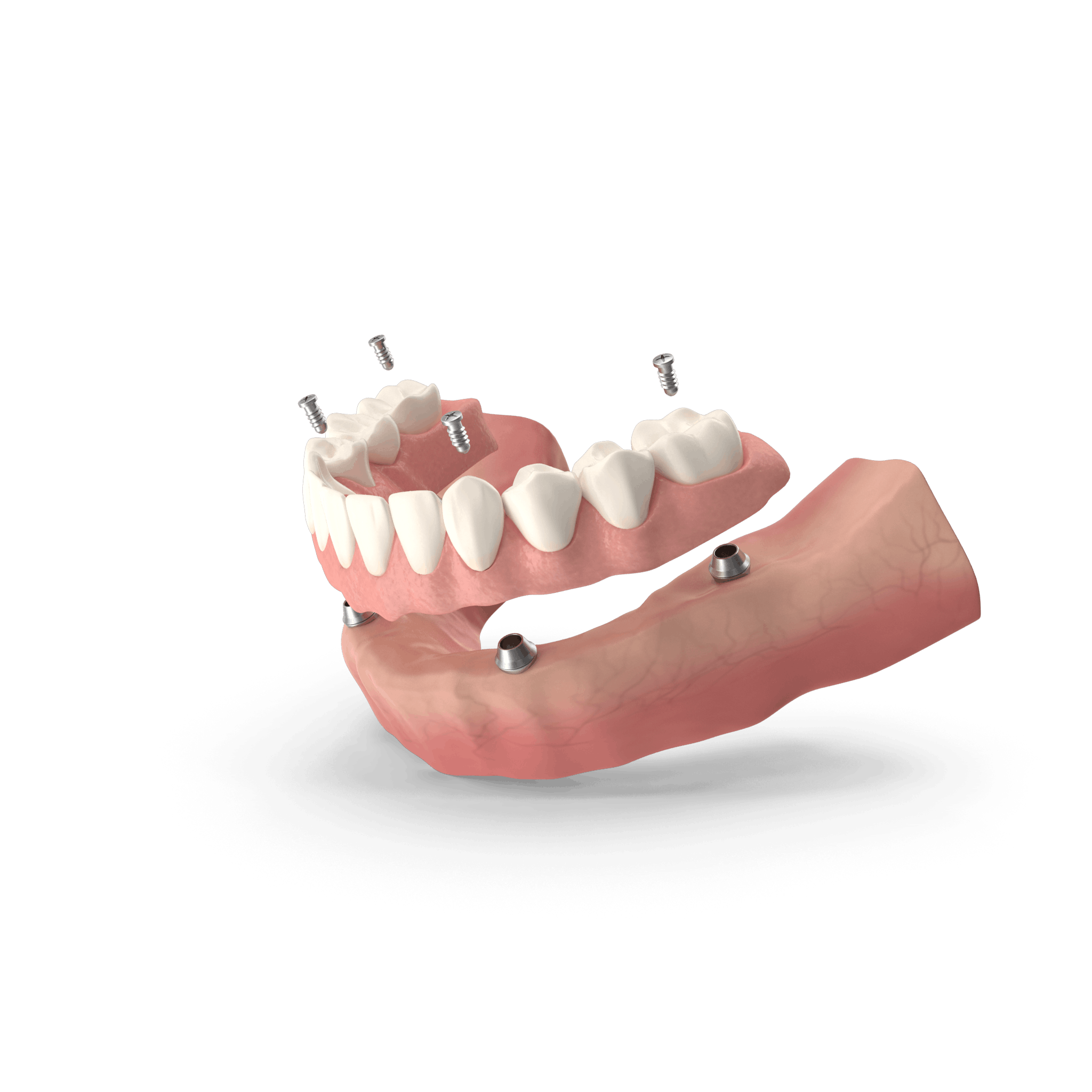
One of the most common questions people have about artificial teeth is, “How long do dentures last?” And that’s a valid concern, especially because dentures are an investment! They restore confidence and the ability to function, but like any other dental appliance, they need care and maintenance. Knowing their lifespan enables you to take better care of them and know when you can expect an upgrade or adjustment.
Some wearers report their false teeth last a decade or more, while others may need replacements or adjustments sooner. According to Dr. Joseph Chen of Glendora Dental Group, there is no one-size-fits-all answer for how long artificial teeth last. Instead, the truth is understanding what contributes to denture wear and how to ensure longevity.
Factors that Impact the Lifespan of Dentures
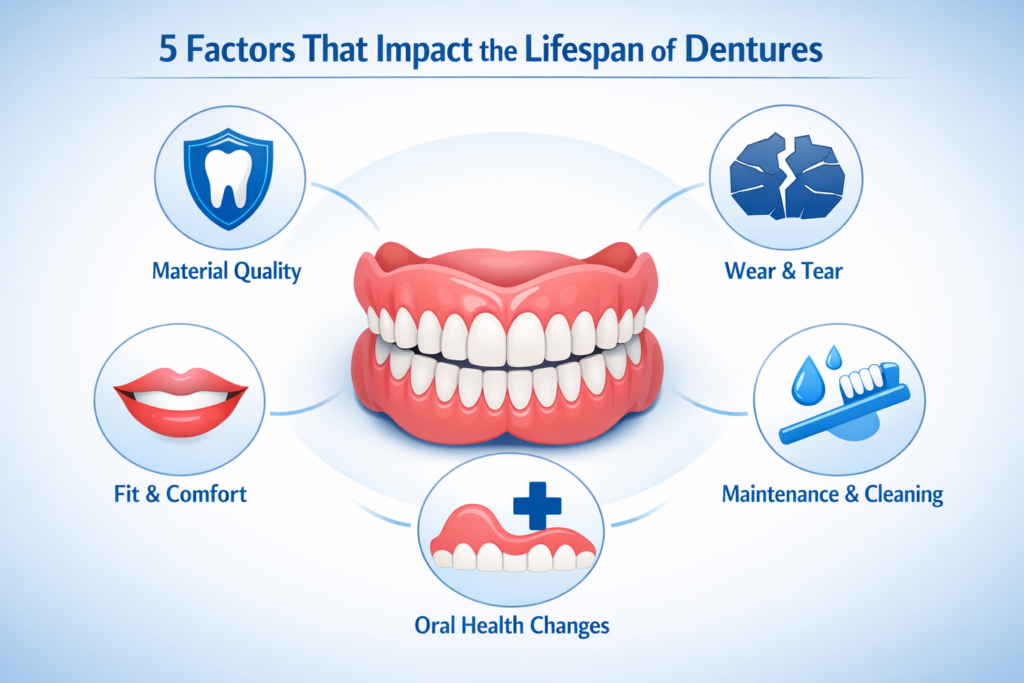
Dentures generally last 5 to 10 years, but this varies significantly depending on several factors. For some people, artificial teeth need to be replaced more often than others. In order to see how long artificial teeth will last for you, important points include the following:
1. Material Quality
One of the most important factors in how long your dentures in Glendora will last is the material they are made of. Artificial teeth made from thicker acrylic or porcelain are generally higher quality than those made from thinner materials; they will last longer.
2. Wear and Tear
Like any appliance used multiple times a day, artificial teeth are subject to wear and tear. Routine strain from chewing, biting, and speaking slowly takes its toll. If you clench your jaw as you sleep or chew harder foods, your false teeth may wear down more quickly. They also need to be handled gently during cleaning to avoid damage.
3. Fit and Comfort
As you age, the shape of your mouth might shift. Bone loss or gum recession can change the fit of your artificial teeth, leading to discomfort or improper function. Ill-fitting artificial teeth can irritate the mouth and cause sores, which will shorten the life of your false teeth. Therefore, periodic adjustments from your dentist can keep them comfortable and working well for you.
4. Maintenance and Cleaning
With proper care and cleaning, you can keep your artificial teeth for a long time. Daily cleaning, rinsing them after meals, and soaking them overnight can prevent plaque buildup and staining. Don’t use abrasive cleaners or hot water, which can harm the dentures’ surface. Not only does thorough cleaning prevent infection, but it also keeps everything feeling fresh and clean.
5. Changes in Your Oral Health
How long dentures last also depends on your oral health. If you suffer from gum disease, infections, or other problems, your artificial teeth may need to be replaced or altered before that time period. Regular dental checkups will help keep your false teeth in good shape and also ensure the health of your gums and jaw.
When Should You Replace Your Dentures?
Understanding when to get new false teeth will help you stay comfortable and function properly. Here are some indicators that it might be time for a replacement:
1. Visible Wear and Tear
If your false teeth are cracked, chipped, or worn down, consider replacements. Broken dentures are not just unsightly; they can limit your ability to eat or speak properly.
2. Changes in Fit
If you recently lost weight because your mouth shape changed, see a dentist for an adjustment or replacement.
3. Difficulty Eating and Speaking
Dentures should enable you to chew food and enunciate words clearly. However, if your artificial teeth slip, click, or hurt while you’re chewing, they’re more than likely no longer doing the trick.
4. Discoloration or Staining
While resistant to staining, artificial teeth can become discoloured over time if not properly cleaned. If you see yellow spots or other stains that don’t come off with cleaning, it might be time to replace them.
How Long Do Dentures Last in Glendora?
If you’re a Glendora resident, keeping your gums and teeth healthy means you’re aware of your oral health! The warm, dry local climate of Glendora may affect your artificial teeth, as dry air can cause the materials in them to expand or contract. When not in use, make sure your artificial teeth are stored properly so that they don’t warp.
With its proximity to the San Gabriel Mountains and the recreational opportunities there and elsewhere, Glendora residents tend to pursue active lifestyles, which can increase wear on artificial teeth. For hiking, swimming, or outdoor sports fans who wear artificial teeth, maintaining the best possible condition for these devices is necessary. At Glendora Dental Group, regular checkups will help you keep your dentures in place for as long as possible while keeping them comfortable and functioning properly.
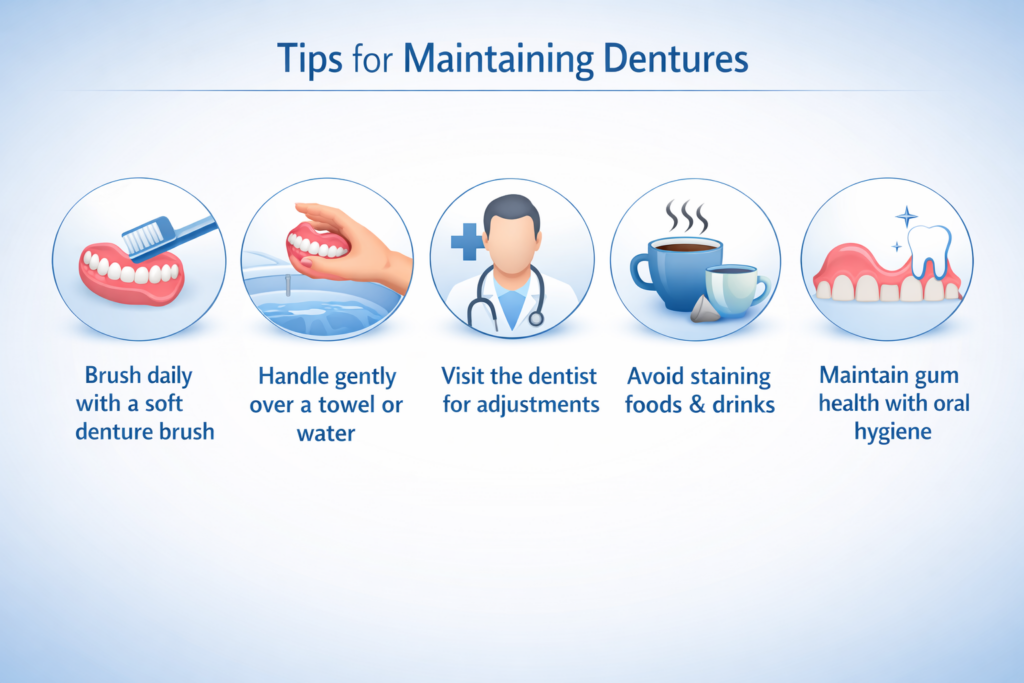
Tips for Maintaining Dentures
Here are some important guidelines on how to care for your dentures:
- Brush Them Daily: Use a soft-bristled brush to remove food particles and plaque from your artificial teeth. Soak them in a denture cleaner overnight to sanitize them and help keep them fresh.
- Be Gentle: When removing or cleaning your artificial teeth, do so over a soft surface, such as a towel or a sink filled with water, to prevent accidental drops.
- To Maintain Comfort: Schedule regular visits with your dentist to ensure your artificial teeth continue to fit comfortably. If they feel loose or uncomfortable, seek adjustments before problems start.
- Steer Clear of Staining Foods: Even though false teeth are designed to be stain-resistant, some foods and drinks, such as coffee, tea, and wine, can stain/darken them over time. Be sure to rinse your artificial teeth after eating these foods.
- Maintain Gum Health: Brush and floss regularly to care for your gums and natural teeth (if any remain). Maintaining healthy gums causes your artificial teeth to fit better and minimizes wear and tear.
Maintain Your Dentures in Great Condition
Simply put, the answer to how long dentures last depends on various factors, such as the quality of the materials used and proper maintenance and fit. You can maintain your dentures’ comfort and functionality for years to come with regular care, proper cleaning, and routine checkups from Glendora Dental Group.
If you’re feeling that your artificial teeth aren’t fitting well, or if you’ve seen changes in their condition, do not hesitate to have them checked. Schedule your appointment today with Glendora Dental Group and help us keep you smiling for years to come!
Questions People Ask About Dentures
How often should I replace my dentures?
Dentures typically last 5-10 years, but factors like wear and tear, changes in fit, and your oral health can affect their lifespan. Regular checkups with your dentist will help determine when replacements or adjustments are needed.
Can dentures last a lifetime?
While dentures can last many years, they are not meant to last a lifetime. Over time, they may need to be replaced due to changes in your mouth and wear and tear.
What can I do to make my dentures last longer?
Proper care, such as cleaning your dentures daily, handling them with care, and visiting your dentist regularly for adjustments, can help extend their lifespan.
How do I know if my dentures need to be replaced?
Signs that your dentures may need replacement include discomfort, difficulty eating or speaking, visible damage, or changes in their fit.
Can dentures be repaired?
Minor repairs, such as fixing a crack or realigning the fit, can be done by your dentist. However, if the damage is severe, a full replacement may be necessary.
Do dentures cause bone loss?
Dentures do not directly cause bone loss, but over time, the bone beneath the dentures may shrink due to a lack of stimulation. This is why regular dental visits and adjustments are important to ensure a proper fit.