

Dental Anxiety Help in Glendora, CA



If dental anxiety keeping you away has become your normal, you are far from alone. Studies suggest that up to 36% of adults experience some level of dental fear. Many Glendora residents avoid the dentist for years because of it. The good news is that modern dental practices have changed dramatically — and today’s approach to anxious patients looks nothing like it did a decade ago.
At Glendora Dental Group, Dr. Joseph Chen and his team understand that fear is real and valid. This article explains exactly what today’s dental practices do differently to help nervous patients feel safe, comfortable, and confident in the chair.
Why Dental Anxiety Is So Common in Glendora and Everywhere Else
Dental anxiety does not develop overnight. For most adults, it builds from a past negative experience, a fear of pain, or simply a feeling of losing control. Some patients feel embarrassed about the state of their teeth. That embarrassment alone keeps them from making appointments.
Others experience sensory triggers — the sound of the drill, the smell of the office, or even the bright overhead light. These reactions are completely normal. Your nervous system is simply responding to past associations.
Understanding the root cause of your anxiety is the first step. A good dental team will ask about your history and concerns before anything else. That conversation alone can lower stress significantly.
What Modern Dental Practices in Glendora Do Differently for Anxious Patients
The most important shift in modern dentistry is communication. Today, dental teams explain every step before they take it. You are never caught off guard by a sudden sound or sensation. That predictability builds trust quickly.
Many practices now offer a simple signal system. You raise your hand when you need a break, and the dentist stops — immediately, no questions asked. This one small tool gives patients back a sense of control. Control is often the most powerful antidote to anxiety.
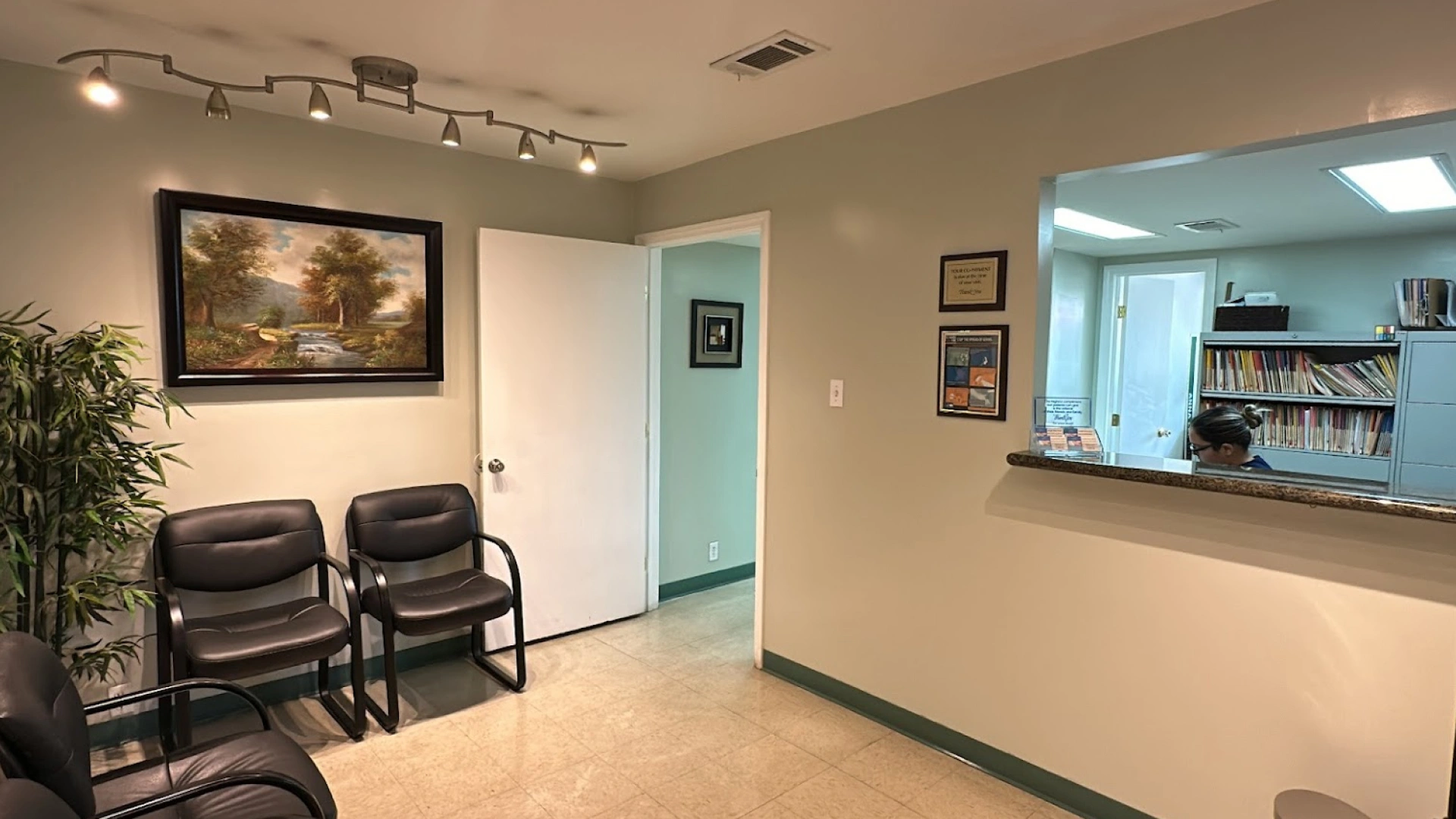
Modern offices have also redesigned their environments. Softer lighting, calming music, and comfortable seating all reduce the clinical atmosphere that triggers fear. Some practices even offer weighted blankets or noise-canceling headphones during procedures.
Here are some specific comfort tools you might find at a modern dental practice:
- Nitrous oxide (laughing gas) for mild-to-moderate anxiety
- Oral sedation options for patients with severe fear
- Topical numbing gel applied before any injection
- Warm blankets and neck pillows for physical comfort
- TV screens on the ceiling to provide distraction
- Headphones with your choice of music or podcasts
How the First Visit Sets the Tone for Anxious Patients
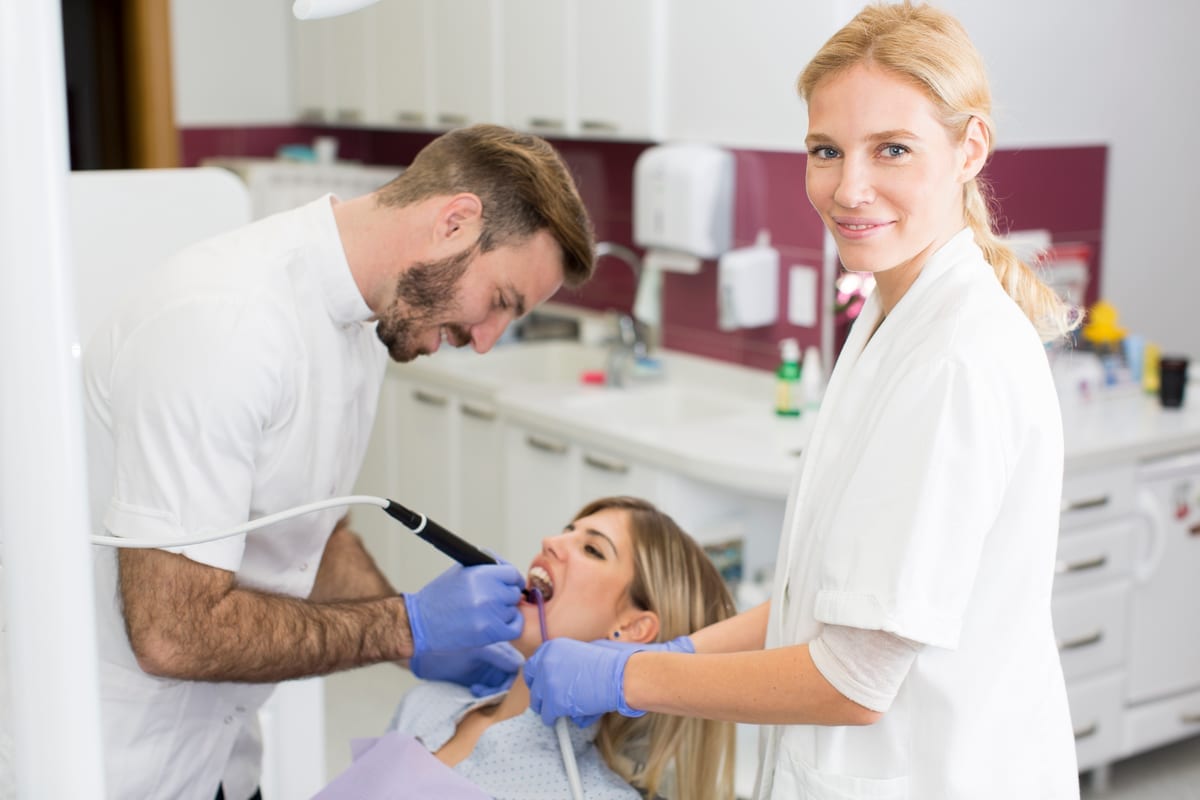
At anxiety-aware practices, the first visit is often just a conversation. No drills, no tools, no pressure. Dr. Chen and his team take time to learn about your concerns before touching your teeth. This approach builds the foundation of trust that nervous patients need.
A thorough but gentle teeth cleaning is often the ideal starting point. It gives patients a low-stakes way to experience the office and the team. Many anxious patients report feeling surprised by how manageable it actually felt.
Modern practices also use digital X-rays that are faster and more comfortable than older technology. Smaller sensors and quicker capture times reduce the discomfort that used to make imaging stressful. Less time in the chair always helps.
What patients typically experience during a first comfort-focused visit:
- A warm welcome and review of your health history
- An open conversation about your fears and past experiences
- A gentle visual exam — no pressure to proceed further
- A clear, jargon-free explanation of any findings
- A written treatment plan you can review at home
Connecting Anxiety Relief to Long-Term Oral Health
Avoiding the dentist due to fear creates a painful cycle. Small problems grow into larger ones. By the time pain forces a visit, more complex treatment is needed. That added complexity then reinforces the original fear.
Breaking that cycle starts with one manageable appointment. Preventive care — like regular cleanings — keeps problems small and treatment simple. Simple treatment is far less likely to trigger anxiety.
Once patients feel safe, many discover they are also interested in improving their smiles. Services like Cosmetic Dentistry become accessible when you no longer dread sitting in the chair. Confidence in the office translates directly to confidence in your everyday life.
For patients who have avoided care for years, Restorative Dentistry options can repair damage caused by long gaps in care. Modern restorative techniques are more comfortable and faster than ever before. You can rebuild a healthy mouth without reliving past trauma.
Practical Tips for Anxious Patients Before Your Appointment
Preparation makes a real difference. Knowing what to expect removes the element of surprise that fuels anxiety. Here are simple steps you can take before your first visit back:
- Call ahead and tell the team you experience dental anxiety
- Schedule a morning appointment when you are less likely to have built up stress
- Avoid caffeine on the day of your visit — it heightens physical anxiety symptoms
- Bring a trusted person to sit in the waiting room for support
- Practice slow, deep breathing in the waiting room and in the chair
- Ask questions freely — no question is too small or too silly
Being honest with your dental team is the single most effective thing you can do. They cannot customize your experience if they do not know what you need. Transparency leads to better care every single time.
You Deserve Comfortable Dental Care in Glendora
Dental anxiety is real, it is valid, and it is treatable — not just with sedation, but with compassion, communication, and the right environment. Dr. Joseph Chen and the team at Glendora Dental Group have built their practice around making every patient feel heard, respected, and comfortable. Whether you need a simple cleaning or more involved care, anxiety should never be the reason you go without treatment. Book Now to schedule your appointment with our team.
Frequently Asked Questions
Is dental anxiety something a dentist can actually help with?
Yes, absolutely. Modern dental practices are trained to recognize and accommodate anxious patients. Techniques like sedation options, comfort tools, and open communication can make a significant difference. You do not have to manage your fear alone — your dental team is there to help.
What if my anxiety is severe and I cannot even walk into a dental office?
Severe dental phobia is more common than many people realize. Starting with a phone call to explain your situation is a great first step. Many practices, including Glendora Dental Group, will schedule a no-treatment consultation so you can meet the team without any clinical pressure. Oral sedation is also available for patients who need a stronger level of support.
Will the dentist judge me for not coming in for a long time?
A compassionate dental team will never judge you. Dentists who work with anxious patients understand that avoidance is a symptom of fear, not neglect. Their goal is to help you move forward, not make you feel worse about the past. You will be welcomed without judgment at every visit.
How is nitrous oxide different from oral sedation?
Nitrous oxide, often called laughing gas, is inhaled through a small mask during your procedure. It takes effect quickly and wears off within minutes after the mask is removed. Oral sedation involves taking a prescribed pill before your appointment and produces a deeper state of relaxation. Your dentist will recommend the right option based on your level of anxiety and the procedure involved.
Can I bring someone with me to my dental appointment?
Most dental offices welcome a support person in the waiting room, and some will allow them to accompany you into the treatment area upon request. Having a familiar face nearby can be genuinely calming for anxious patients. Let the team know when you book your appointment so they can accommodate your needs.